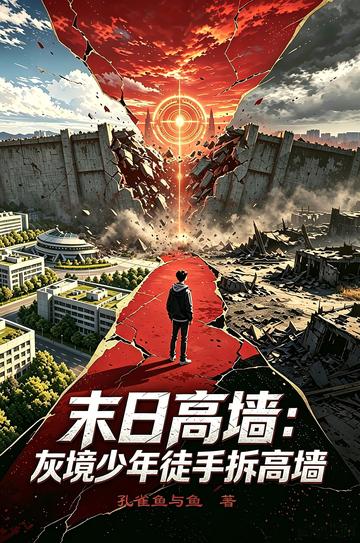
[Apocalyptic dystopia, driven by world view, slow-burning but not cool, no plug-ins, no routines, non-Hakoniwa plot]
[Remaining life in the gray realm, fate is not up to the sky, first entering the light realm, beliefs are lost, loved ones have fallen, forbearance and determination, power play is sneaking, the edge is beginning to appear, the old order has fallen, and the original heart chooses the path]
The Doomsday War burned everything, and the victors built a purification center and called the new civilization the "Light Realm."
The domain is tidy, clean, rich in material, but hierarchical, and people are disciplined into docile parts;
The outer gray realm, with excessive radiation, gray sky, brown water, lack of resources but freedom and equality, is a lowly residence defined by the new civilization;
The gray market between the light realm and the gray realm has become a no-nonsense zone, a place for gray transactions and material circulation inside and outside the high wall.
Kang Zhen struggled in this order of lies. There were no lofty ideals or grand narratives in the story, only constant dilemmas and costly choices.
The story confronts three questions:
1. Is the arranged "stable existence" more worthy of choice than the vitality in chaos?
2. Can the "necessary evil" of order be a reason to deprive others of their freedom?
3. How can the "spark of civilization" of a few people define the survival value of millions of people?
Kang Zhen answered the above question with his choice. Your choice may not be the same as his, but when you close the book, do you already have your own answer in your heart?