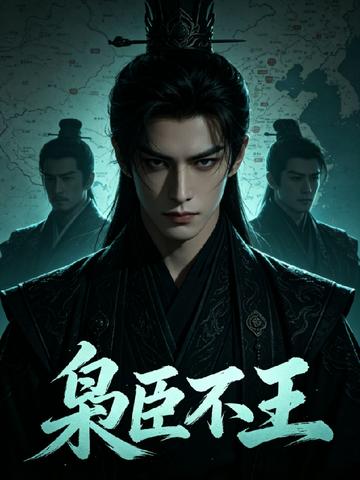
The Yongjia Rebellion caused the Central Plains to sink. The Wuhu cavalry trampled the palace palaces of Luoyang and dragged Chinese civilization into a century-long darkness. In the temple of the Eastern Jin Dynasty located on the left side of the Yangtze River, high-ranking members of aristocratic families chatted about the country, and the survivors of the north watched the southern geese in the dust.
It was in such troubled times that Lu Xingzhou opened his eyes.
From an unknown soldier in the army to the commander-in-chief of defeating the enemy on the banks of Feishui River, he used 80,000 Beifu soldiers to overwhelm the former Qin Dynasty's million-strong army, and abruptly put China's destiny back on track. He sent his troops to cross north and regained his old capital. He rebuilt the city on the ruins of Luoyang and also rebuilt the hearts and minds that had been shattered in the troubled times.
Undercurrents of the throne, Jiuxi, and abdication came one after another, but he, who had overwhelming power in the world, pushed away the imperial crown.
He doesn't want a family world that changes with dynasties. What he wants is a world where he can stand firm on his own.
He opened a Taixue to educate the children of poor families, repaired new farm tools and encouraged teachers to farm mulberry trees, established a permanent warehouse to stabilize prices, and compiled "Taiping Policy" to pass on the principles of governing the world. To eradicate long-standing evils internally and to pacify Northern Xinjiang externally, he poured all his talents and knowledge into this war-torn land, just to allow the people to have a stable meal and to allow the Chinese culture to be passed down from generation to generation.
Some people criticized him as a tyrant who controlled the government, while others praised him as a hero who rebuilt China.
He never cared about his merits and demerits.
Luoshui flows eastward for thousands of years. People will eventually remember that in that stormy era, there was a man named Lu Xingzhou who, as a minister, performed the work of a king, held up a lamp for troubled times and brought peace to all generations.