This is a lifeline related to the survival of the nation, and it is also a gaming field without smoke.
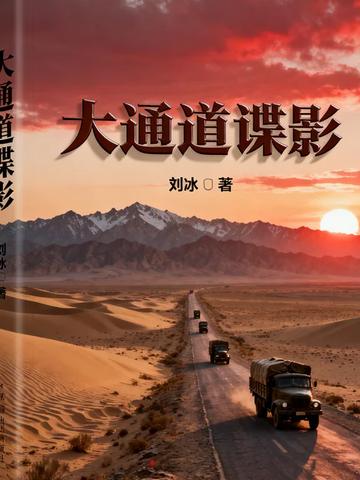
In 1937, the coast was completely blocked, and the Northwest International Passage became the only land lifeline for the Anti-Japanese War.
Aircraft, artillery, and bullets from friendly countries poured in from the depths of the Gobi day and night. But a convoy of supplies destined for a certain place in northern Shaanxi was bombed. Who did it? Hostile force? The remnants in exile? Chongqing? Local warlord? Mysteries abound.
On the surface, this is a nationwide international aid effort: friendly countries provide money and guns, the Nationalist government opens the channel, the Xinjiang authorities allow passage along the way, and we send representatives to coordinate all parties. But secretly, every pair of eyes is staring at the other.
Allied countries not only want to help China to delay the Japanese invaders, but are also afraid that China will turn to Britain and the United States, the aid convoy is mixed with intelligence spies; Chongqing is looking forward to arms, but at the same time worried about the rear, people from intelligence agencies are already scattered along the way; local warlords repeatedly weigh between the various forces; and our representatives in Xinjiang must unite the local authorities to resist Japan, while guarding against plots, and ensuring that this lifeline is not cut off.
In the darkness, Japanese agents have already penetrated in, bribed camel workers, blown up bridges, and instigated rebellion against local officers. A transportation is a secret war. This is not the story of a road, but of a silent war that lasted for five years in the wasteland. Everyone goes on the road with their own secrets, and you don't know until the gunfire rings out - who is a friend and who is an enemy
Sharp writing, compact plot, and endless suspense