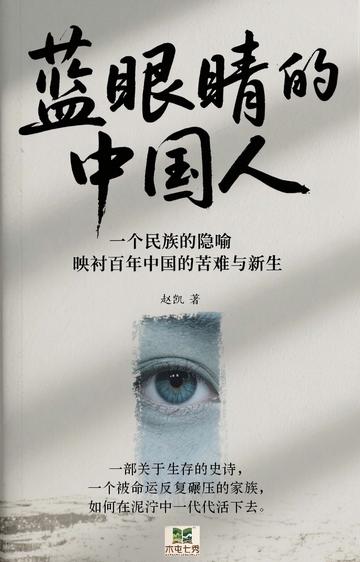
[Era + Countryside + Cultural Conflict + Magical Realism + Political Movement + Blending of Civilizations] A metaphor of a nation, reflecting the suffering and rebirth of China over the past century. An epic about survival, how a family that has been repeatedly crushed by fate survives in the mud from generation to generation.
This is a unique novel that symbolizes the conflict and integration of Eastern and Western cultures, as well as the development history of human society.
In 1900, the Eight-Power Allied Forces invaded Beijing. Vanilla works as a maid in a family, and she and the hostess are bullied by foreign soldiers. The hostess jumped into the well to wash away her shame, while Vanilla had a strong desire to live and did not want to die. She fled back to her hometown by the Liao River in Northeast China, got married in a hurry, and gave birth to a blue-eyed mixed-race girl, who is me. The villagers couldn't tolerate us, mother and daughter, and drove us into the wild. We, mother and daughter, lived a primitive life in the forest by the river. My mother named me Hua'er. Later, people called me Za Hua'er. When I grew up, I had an accident and gave birth to another child with blue eyes, my eldest daughter Maotao. Mother didn't expect that blue eyes would give birth to blue eyes again. She was so angry that she fainted and fell into the river and choked to death.
I live with a blue eyed child. The men in the village kept persecuting me in the name of revenge against my foreign Japanese father. When the children grow up, they still suffer the fate of being discriminated against. With longing for the village, Maotao ran away with an idle man and never came back. Later she was heard to have died in a brothel.
Our family could not integrate into the village. Lonely and depressed, the second boy committed suicide. The second girl and the third boy joined the Anti-Japanese Volunteer Army and became martyrs, and the discrimination we faced gradually decreased. The daughters were accepted by the villagers, married into the village and gave birth to blue-eyed children, finally gaining recognition. The fourth boy bullied a dark-eyed woman in the village and was punished to death by the villagers.
Because I saved the life of the chairman of the Peasants' Association, my family finally returned to the village after the founding of New China. I rescued my neighbor Wen Kuai and fell in love with him. Madman Wen calls himself a thinker and says that I am a green person who has achieved the most authentic existence in nature. He believes that my life is like a microcosm of the entire human society (origin of life, primitive society, slave society, feudal society, capitalist society, socialist society). During my narration, he carefully took notes.
Reader comments
The story begins with humiliation in troubled times. The maid Xianghua narrowly escaped death during the war, fled back to her homeland, and gave birth to a daughter with blue eyes, Zahuaer. This pair of blue eyes, different from those of the clan, has become a curse imprinted on the family's bloodline. The mother and daughter were expelled from the village and could only wander in the wild forests on the banks of the Liao River, living a primitive and arduous life of survival. This special bloodline continues from generation to generation. Zahuaer's daughter also has blue eyes. A series of misfortunes follow one after another. Her mother falls into the water and dies. She takes care of her child alone, and has to endure the suspicion, persecution and endless discrimination of the villagers.
The work uses magical realism to reflect the suffering and rebirth of China over the past century through the ups and downs of a family with a special bloodline. Foreign bloodline takes root in the local area, and constantly encounters cultural barriers, secular prejudices and the tide of the times. Individual destiny is wrapped up in the grand history. Under the collision of civilizations and the turmoil of the times, he writes about suffering, perseverance and feelings about his hometown. The narrative is heavily metaphorical, sublimating the family's joys and sorrows into a microcosm of the nation. The narrative rhythm of some plots is slightly jumpy, but the core of the story is deep and memorable.
The novel uses the ups and downs of a family to look back at the suffering and rebirth of modern China. Cultural conflicts and destiny tribulations are intertwined, and generations of people survive tenaciously in the mud. It has an epic pattern and profoundly demonstrates the joys and sorrows of individuals under the blending of civilizations.
"Blue-Eyed Chinese" uses a magical and realistic style to write the century-old tragedy of a family of mixed-race women. In the era of the Eight-Power Allied Forces' invasion of China, the blue-eyed bloodline has caused generations of people to suffer from secular discrimination and exclusion. The family has been displaced, experiencing escape, bereavement, separation and death, and the children have their own joys and sorrows. The novel embeds the family's suffering into centuries of Chinese history, using special bloodline symbols to symbolize the conflict and blending of Eastern and Western civilizations. In the cruel survival story, it examines prejudice and human nature, and reflects the vicissitudes of a nation's journey to rebirth after suffering hardships.
"Blue-Eyed Chinese" takes the life of the protagonist with a special bloodline as the main narrative line, and looks back on the heavy past of a hundred years with the touch of magical realism. The protagonist has strange eyes and has been crushed by secular prejudice and the tribulations of the times throughout his life, but he still cannot let go of the fetters of his homeland. It uses the ups and downs of a family as a metaphor for the suffering and rebirth of the entire nation. The story is thick and desolate, and leaves a long aftertaste after reading it.
The 157,000-word rural novel of the era draws on the unique life experience of the blue-eyed protagonist and uses magical realism to reflect the wind and rain of a century. The collision of cultures intersects the ups and downs of the times, and the fate of individuals is closely intertwined with the suffering of the nation, witnessing the rebirth of the land amidst suffering.
This book breaks away from conventional narratives and focuses on Chinese people with foreign eyes, telling the story of their estrangement, confusion and persistence in their homeland as they grow up. The delicate writing outlines the ups and downs of the fate of special people, allowing us to see beyond identity the unchanging background of family and country in their blood.
"Blue-Eyed Chinese" uses the fate of a family to reflect the vicissitudes of the country over the past century, interweaving the collision and blending of Eastern and Western cultures. In the torrent of suffering and turbulence of the times, it describes the struggle of ordinary people to survive. The text is full of magical reality, which makes it rich and emotional to read.
This book looks back at a heavy past through the life experience of the blue-eyed protagonist. The protagonist has experienced prejudice and hardships along the way, but always adheres to the feelings of his hometown. The plot of the novel is evocative, explores identity, and brings readers profound insights and thinking.
This is a period rural novel with a magical realistic color. It uses a special family with blue eyes to complete the national metaphor of a century-old China. The family has been repeatedly crushed by fate in the tide of the times, and has struggled to survive amidst cultural conflicts and world turmoil. The story is rooted in the homeland, describing all the sufferings and new life. It reflects the vicissitudes of the nation in the ups and downs of individual families. It has a unique perspective and a profound core. Some of the plots are metaphorical, so reading requires deep understanding.
"Blue-Eyed Chinese" breaks away from conventional identity narratives and focuses on a special individual with a very different appearance. His deep blue eyes are his innate identity and have also become an invisible barrier for him to integrate into the life around him. In the eyes of others who are curious, alienated and even prejudiced, he has always been rooted in China's hometown and the market. He has experienced the confusion of growing up and interpersonal barriers, but over the years he has slowly accumulated the deepest sense of belonging to his hometown.
A family epic with a background of magical reality, using the ups and downs of a family with a special life experience, looking back at the vicissitudes of the family and country over the past century, and writing about the collision of civilizations and the persistence of the homeland.
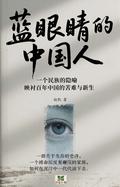
The story begins with humiliation in troubled times. The maid Xianghua narrowly escaped death during the war, fled back to her homeland, and gave birth to a daughter with blue eyes, Zahuaer. This pair of blue eyes, different from those of the clan, has become a curse imprinted on the family's bloodline. The mother and daughter were expelled from the village and could only wander in the wild forests on the banks of the Liao River, living a primitive and arduous life of survival. This special bloodline continues from generation to generation. Zahuaer's daughter also has blue eyes. A series of misfortunes follow one after another. Her mother falls into the water and dies. She takes care of her child alone, and has to endure the suspicion, persecution and endless discrimination of the villagers.
The work uses magical realism to reflect the suffering and rebirth of China over the past century through the ups and downs of a family with a special bloodline. Foreign bloodline takes root in the local area, and constantly encounters cultural barriers, secular prejudices and the tide of the times. Individual destiny is wrapped up in the grand history. Under the collision of civilizations and the turmoil of the times, he writes about suffering, perseverance and feelings about his hometown. The narrative is heavily metaphorical, sublimating the family's joys and sorrows into a microcosm of the nation. The narrative rhythm of some plots is slightly jumpy, but the core of the story is deep and memorable.
The novel uses the ups and downs of a family to look back at the suffering and rebirth of modern China. Cultural conflicts and destiny tribulations are intertwined, and generations of people survive tenaciously in the mud. It has an epic pattern and profoundly demonstrates the joys and sorrows of individuals under the blending of civilizations.
"Blue-Eyed Chinese" uses a magical and realistic style to write the century-old tragedy of a family of mixed-race women. In the era of the Eight-Power Allied Forces' invasion of China, the blue-eyed bloodline has caused generations of people to suffer from secular discrimination and exclusion. The family has been displaced, experiencing escape, bereavement, separation and death, and the children have their own joys and sorrows. The novel embeds the family's suffering into centuries of Chinese history, using special bloodline symbols to symbolize the conflict and blending of Eastern and Western civilizations. In the cruel survival story, it examines prejudice and human nature, and reflects the vicissitudes of a nation's journey to rebirth after suffering hardships.
"Blue-Eyed Chinese" takes the life of the protagonist with a special bloodline as the main narrative line, and looks back on the heavy past of a hundred years with the touch of magical realism. The protagonist has strange eyes and has been crushed by secular prejudice and the tribulations of the times throughout his life, but he still cannot let go of the fetters of his homeland. It uses the ups and downs of a family as a metaphor for the suffering and rebirth of the entire nation. The story is thick and desolate, and leaves a long aftertaste after reading it.
The 157,000-word rural novel of the era draws on the unique life experience of the blue-eyed protagonist and uses magical realism to reflect the wind and rain of a century. The collision of cultures intersects the ups and downs of the times, and the fate of individuals is closely intertwined with the suffering of the nation, witnessing the rebirth of the land amidst suffering.
This book breaks away from conventional narratives and focuses on Chinese people with foreign eyes, telling the story of their estrangement, confusion and persistence in their homeland as they grow up. The delicate writing outlines the ups and downs of the fate of special people, allowing us to see beyond identity the unchanging background of family and country in their blood.
"Blue-Eyed Chinese" uses the fate of a family to reflect the vicissitudes of the country over the past century, interweaving the collision and blending of Eastern and Western cultures. In the torrent of suffering and turbulence of the times, it describes the struggle of ordinary people to survive. The text is full of magical reality, which makes it rich and emotional to read.
This book looks back at a heavy past through the life experience of the blue-eyed protagonist. The protagonist has experienced prejudice and hardships along the way, but always adheres to the feelings of his hometown. The plot of the novel is evocative, explores identity, and brings readers profound insights and thinking.
This is a period rural novel with a magical realistic color. It uses a special family with blue eyes to complete the national metaphor of a century-old China. The family has been repeatedly crushed by fate in the tide of the times, and has struggled to survive amidst cultural conflicts and world turmoil. The story is rooted in the homeland, describing all the sufferings and new life. It reflects the vicissitudes of the nation in the ups and downs of individual families. It has a unique perspective and a profound core. Some of the plots are metaphorical, so reading requires deep understanding.
"Blue-Eyed Chinese" breaks away from conventional identity narratives and focuses on a special individual with a very different appearance. His deep blue eyes are his innate identity and have also become an invisible barrier for him to integrate into the life around him. In the eyes of others who are curious, alienated and even prejudiced, he has always been rooted in China's hometown and the market. He has experienced the confusion of growing up and interpersonal barriers, but over the years he has slowly accumulated the deepest sense of belonging to his hometown.
A family epic with a background of magical reality, using the ups and downs of a family with a special life experience, looking back at the vicissitudes of the family and country over the past century, and writing about the collision of civilizations and the persistence of the homeland.