[Era + Harbin + City + Rivers and Lakes + Prison + Fleeing Crimes + Entering the Palace Many Times + Large Theft Gang] The fate of a group of small people is also the shadow of a city. A century-old ice city, three generations of rivers and lakes. Nearly a hundred real characters, the ups and downs of half a century.
March 18, 1984, Harbin. In order to atone for his crime, the habitual criminal Tie Li confessed to a group of habitual thieves who used trains to commit crimes. Based on this list, the "3.18 Project" was formally formed. This led to the "King of Thieves of the Century" Huang Laizi and his theft group. The protagonist of this book, Yuan Kefu, is his die-hard brother.
Yuan Kefu lost his father when he was young. He came to Harbin to seek refuge with his uncle at the age of 11, and at the age of 15 he made a career in the world. He worked as a "purse" (thief), worked in the labor camp, escaped from the detention center several times, and was captured several times. I met the future "Qiao Si" in the "Old Store", experienced hell on earth at Fu'an Farm, and witnessed the dual suffering of educated youths and reform-through-labor prisoners.
In 1966, Yuan Kefu got acquainted with Huang Laizi, and together they stole trains, "got work" in the market, and dealt with desperadoes by the Yellow River. Yuan Kefu is loyal and affectionate, and goes out of his way to save his friends; he can also stay clear-headed and have a bottom line, always sticking to the last word of propriety in an era of rampant greed. In the 1980s, Yuan Kefu escaped from the detention center and started a family in Dingzhou, trying to make a clean break with the past.
However, people in the arena cannot help themselves. An individual is just a grain of sand in the tide of time. A murder on a train implicated Yuan Kefu in the crime of cover-up, and his wife and children separated from him. He returned to the familiar yet unfamiliar detention center again.
The Songhua River flows quietly, and the people on the bank change one after another. Yuan Kefu finally walked out of the prison, stood by the river, and looked at the roaring water. He lost a lot - his wife, daughter, youth, freedom; he also gained a lot - brotherhood, respect in the world, and a thorough understanding of life.
There are nearly a hundred characters in the book - Huang Laizi, Qiao Si, Xiao Ke, Xiangzi, Xiao Wu, Na San, Heizi... Some of them are thieves, some are murderers, some are loyal and promise, and some are treacherous. They hang out in the streets and alleys, wandering on the edge of the law, trying to survive and strive for wealth in the cracks of the times. They are products and victims of that era.
This book uses non-fiction writing to truly restore the social scene, rules of the world, and human relationships in Harbin over the past century. Don't beautify, don't uglify, just present. History is made up of specific people. Their choices, struggles, laughter and tears are the most authentic memories of this city.
This is a century-old epic about the Harbin rivers and lakes, recording the ups and downs of a group of small people, and also a reflection of an era. As the book says: I sang till the end of the Yangguan period before my tears were dry, and I had nothing to do but eat and enjoy my fame. The water floating in the sky brings endless trees, and the rain clouds bury half of the mountain. There are thousands of hatreds in the past and present, only separation and separation are joys and sorrows? The river head is not in a bad situation, and it is difficult for others to travel in the world.
Reader comments
"A Hundred Years of Rivers and Lakes in Harbin" is a historical documentary work rooted in the local ice city and full of the rich texture of time. The book contains nearly 500,000 words and relies on the true oral memories of hundreds of people who have experienced it. It slowly unfolds the history of Harbin that spans hundreds of years, and tells the complete story of this city of ice and snow hidden deep in the streets and alleys.
The story does not have a suspended fictional plot, but is rooted in the real city: the grudges between neighbors along the Songhua River, the criminal gangs roaming the city, the gangsters who have been in and out of prison many times, the huge theft gang that is rampant... The prisons, the market, the rivers and lakes, and the tide of the times are intertwined. The ups and downs of the small characters reflect the changes in the city for half a century. The author Meng Xiaochu uses a calm and realistic oral narrative style, without deliberately exaggerating or beautifying the characters. He objectively restores the survival choices of the lower class people in different eras. The loyalty of the world and the struggle for survival, and the good and evil of human nature are intertwined. It is real and impactful.
Different from ordinary period novels, the greatest charm of this book lies in its strong regional background. The unique wind and snow temperament of Bingcheng and the urban style of old Harbin are throughout the text. Reading it makes you feel like you are in the old streets of those days. It can not only see the ups and downs of grievances and grievances in the world, but also understand the involuntary fate of ordinary people under the influence of the great era. It is suitable for readers who prefer documentary eras and themes of urban rivers and lakes, and are willing to calm down and read about urban history and human beings.
This book belongs to an extremely rare genre.
The protagonist is a thief, and the supporting characters are a group of thieves. The author is eloquent and has hundreds of thousands of words, focusing on describing how they behaved in the era of scarcity of materials, how they were manipulated by human nature, and how they performed scenes of tragedies and comedies...
The book takes the "March 18 Project" in 1984 as the starting point, and follows the confession of the habitual criminal Tie Li to reveal the half-life entanglement between the protagonist Yuan Kefu and the "King of Thieves of the Century" Huang Laizi. Yuan Kefu's life is a typical epitome of tragedy in the cracks of the times: he lost his father when he was young and struggled at a young age. He stole, went to labor camps, and escaped from prison in turn. He has been chasing stability for half his life, but he has always been trapped by the torrent of the times. After he was released from prison, he looked at the river and lost his family and youth. He could only see through the warmth and warmth of the world. This pull of gains and losses revealed the powerlessness of the low-level people.
The so-called rivers and lakes are not only conflicts between swords and swords, but also choices made by ordinary people under the pressure of survival. Desires and bottom lines, loyalty and interests are constantly being pulled apart, and countless people are taking risks in the cracks of the times. The prosperity and hustle and bustle will eventually come to an end, and most of the famous figures in the past will end in tragedy.
This book is thrilling to read, and I can't help but sigh. It did not deliberately beautify the world, but cut open the struggles and helplessness of the low-level people in that special era like a scalpel. Yuan Kefu and other little people struggled in the cracks of the times, but they were loyal but could not escape the tricks of fate. Life is like a river. No matter how big the storm has been, you must eventually learn to let go of the vicissitudes of life, respect the bottom line, and take every step steadily. At the same time, personal choices are important, but never overestimate your determination. Keeping your conscience is the hardest trump card in life.
There are nearly a hundred little characters in the book, including thieves, desperadoes, reform-through-labor prisoners, and educated youths. Some stick to morality, while others are just for profit, wandering in the gray area of the law. The author abandons facial expressions and neither beautifies the loyalty of the world nor deliberately vilifies the people at the bottom. He uses documentary techniques to restore the struggles of these trapped survivors and points out that they are products and victims of a special era.
Set against the background of Harbin's century-old city, "A Hundred Years of Harbin's Rivers and Lakes" breaks away from stereotyped judgments of good and evil, and uses non-fiction documentary techniques to slowly unfold the ups and downs of a group of marginal figures over half a century. It is not only a picture of the vicissitudes of the world of Ice City, but also an epic of the fate of all living beings at the bottom of society.
The ups and downs of three generations of thieves in Ice City spread out the city's century-old background, and the rare Jianghu theme has a strong sense of the times. Nearly a hundred low-level people went to prison and committed crimes, struggling to survive in the tide of the times. The text is rough and realistic, using the ups and downs of the bandit group to outline the vicissitudes of Harbin for half a century.
This book relies on the oral accounts of those who have experienced it, records the old folk events in Harbin after breaking into Guandong, and restores the gray past of the market in the old era. It writes about the sinking and redemption of the lost, hiding the centuries-old fireworks of the ice city, and tells the story of the vicissitudes of life, the good and evil of human nature, and the changes of the urban era.
A century-old ice city, three generations of ups and downs. Nearly a hundred real characters, the ups and downs of half a century. Gratitudes and hatreds are hidden in the streets of the old city, and the gains and losses of good and evil are intertwined in the vanity fair. In the changing situation of the city of ice and snow, watch the game of desire and morality, and understand the vicissitudes of a city's past.
This real-life novel takes root in Harbin, with more than 400,000 words describing the ups and downs of three generations. All kinds of people at the bottom interweave a real picture of the market. Some people stick to their hearts, while others follow the crowd. The story does not deliberately embellish it, but directly shows the struggle and helplessness over the years. The strong regional customs and rich sense of history make people immersed in it.
An extremely wonderful and contemporary novel!
The subject matter is extremely rare. The protagonist is a king of thieves, a big thief, and a group of people centered on him. There are hundreds of people in total, and they are all vividly depicted!
This documentary work compiled by Meng Xiaochu breaks away from the underworld narrative and digs deeply into the connection between gray people and the urban texture. The story from being lost to being reborn reflects the character of Harbin over the years, and the words are full of deep affection for the homeland and thoughts on humanity.
Rooted in the vicissitudes of the ice city for hundreds of years, it depicts the ups and downs of all living beings at the bottom, without deliberately exaggerating violence, and writes about justice, desire and the current of the times in the ups and downs of the human world.
Reality! It has the taste of old Harbin!
An ice city, three generations of rivers and lakes, and the joys and sorrows of countless little people illustrate the ups and downs of Harbin across half a century.
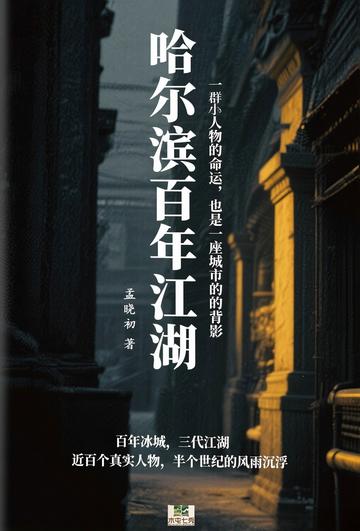








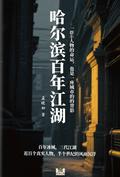























"A Hundred Years of Rivers and Lakes in Harbin" is a historical documentary work rooted in the local ice city and full of the rich texture of time. The book contains nearly 500,000 words and relies on the true oral memories of hundreds of people who have experienced it. It slowly unfolds the history of Harbin that spans hundreds of years, and tells the complete story of this city of ice and snow hidden deep in the streets and alleys. The story does not have a suspended fictional plot, but is rooted in the real city: the grudges between neighbors along the Songhua River, the criminal gangs roaming the city, the gangsters who have been in and out of prison many times, the huge theft gang that is rampant... The prisons, the market, the rivers and lakes, and the tide of the times are intertwined. The ups and downs of the small characters reflect the changes in the city for half a century. The author Meng Xiaochu uses a calm and realistic oral narrative style, without deliberately exaggerating or beautifying the characters. He objectively restores the survival choices of the lower class people in different eras. The loyalty of the world and the struggle for survival, and the good and evil of human nature are intertwined. It is real and impactful. Different from ordinary period novels, the greatest charm of this book lies in its strong regional background. The unique wind and snow temperament of Bingcheng and the urban style of old Harbin are throughout the text. Reading it makes you feel like you are in the old streets of those days. It can not only see the ups and downs of grievances and grievances in the world, but also understand the involuntary fate of ordinary people under the influence of the great era. It is suitable for readers who prefer documentary eras and themes of urban rivers and lakes, and are willing to calm down and read about urban history and human beings.
This book belongs to an extremely rare genre. The protagonist is a thief, and the supporting characters are a group of thieves. The author is eloquent and has hundreds of thousands of words, focusing on describing how they behaved in the era of scarcity of materials, how they were manipulated by human nature, and how they performed scenes of tragedies and comedies...
The book takes the "March 18 Project" in 1984 as the starting point, and follows the confession of the habitual criminal Tie Li to reveal the half-life entanglement between the protagonist Yuan Kefu and the "King of Thieves of the Century" Huang Laizi. Yuan Kefu's life is a typical epitome of tragedy in the cracks of the times: he lost his father when he was young and struggled at a young age. He stole, went to labor camps, and escaped from prison in turn. He has been chasing stability for half his life, but he has always been trapped by the torrent of the times. After he was released from prison, he looked at the river and lost his family and youth. He could only see through the warmth and warmth of the world. This pull of gains and losses revealed the powerlessness of the low-level people.
The so-called rivers and lakes are not only conflicts between swords and swords, but also choices made by ordinary people under the pressure of survival. Desires and bottom lines, loyalty and interests are constantly being pulled apart, and countless people are taking risks in the cracks of the times. The prosperity and hustle and bustle will eventually come to an end, and most of the famous figures in the past will end in tragedy.
This book is thrilling to read, and I can't help but sigh. It did not deliberately beautify the world, but cut open the struggles and helplessness of the low-level people in that special era like a scalpel. Yuan Kefu and other little people struggled in the cracks of the times, but they were loyal but could not escape the tricks of fate. Life is like a river. No matter how big the storm has been, you must eventually learn to let go of the vicissitudes of life, respect the bottom line, and take every step steadily. At the same time, personal choices are important, but never overestimate your determination. Keeping your conscience is the hardest trump card in life.
There are nearly a hundred little characters in the book, including thieves, desperadoes, reform-through-labor prisoners, and educated youths. Some stick to morality, while others are just for profit, wandering in the gray area of the law. The author abandons facial expressions and neither beautifies the loyalty of the world nor deliberately vilifies the people at the bottom. He uses documentary techniques to restore the struggles of these trapped survivors and points out that they are products and victims of a special era.
Set against the background of Harbin's century-old city, "A Hundred Years of Harbin's Rivers and Lakes" breaks away from stereotyped judgments of good and evil, and uses non-fiction documentary techniques to slowly unfold the ups and downs of a group of marginal figures over half a century. It is not only a picture of the vicissitudes of the world of Ice City, but also an epic of the fate of all living beings at the bottom of society.
The ups and downs of three generations of thieves in Ice City spread out the city's century-old background, and the rare Jianghu theme has a strong sense of the times. Nearly a hundred low-level people went to prison and committed crimes, struggling to survive in the tide of the times. The text is rough and realistic, using the ups and downs of the bandit group to outline the vicissitudes of Harbin for half a century.
This book relies on the oral accounts of those who have experienced it, records the old folk events in Harbin after breaking into Guandong, and restores the gray past of the market in the old era. It writes about the sinking and redemption of the lost, hiding the centuries-old fireworks of the ice city, and tells the story of the vicissitudes of life, the good and evil of human nature, and the changes of the urban era.
A century-old ice city, three generations of ups and downs. Nearly a hundred real characters, the ups and downs of half a century. Gratitudes and hatreds are hidden in the streets of the old city, and the gains and losses of good and evil are intertwined in the vanity fair. In the changing situation of the city of ice and snow, watch the game of desire and morality, and understand the vicissitudes of a city's past.
This real-life novel takes root in Harbin, with more than 400,000 words describing the ups and downs of three generations. All kinds of people at the bottom interweave a real picture of the market. Some people stick to their hearts, while others follow the crowd. The story does not deliberately embellish it, but directly shows the struggle and helplessness over the years. The strong regional customs and rich sense of history make people immersed in it.
An extremely wonderful and contemporary novel! The subject matter is extremely rare. The protagonist is a king of thieves, a big thief, and a group of people centered on him. There are hundreds of people in total, and they are all vividly depicted!
This documentary work compiled by Meng Xiaochu breaks away from the underworld narrative and digs deeply into the connection between gray people and the urban texture. The story from being lost to being reborn reflects the character of Harbin over the years, and the words are full of deep affection for the homeland and thoughts on humanity.
Rooted in the vicissitudes of the ice city for hundreds of years, it depicts the ups and downs of all living beings at the bottom, without deliberately exaggerating violence, and writes about justice, desire and the current of the times in the ups and downs of the human world.
Reality! It has the taste of old Harbin!
An ice city, three generations of rivers and lakes, and the joys and sorrows of countless little people illustrate the ups and downs of Harbin across half a century.
Looks good, I like it very much