Long-lived species vs. short-lived species
She sacrificed herself to make him immortal. Was it a blessing or a curse?
In every lifetime, she falls in love with him, only to die suddenly from poisoning.
In every lifetime, he finds her, only to suffer the pain of losing the one he loves.
In this endlessly repeating tragic love, who is really holding whom prisoner?
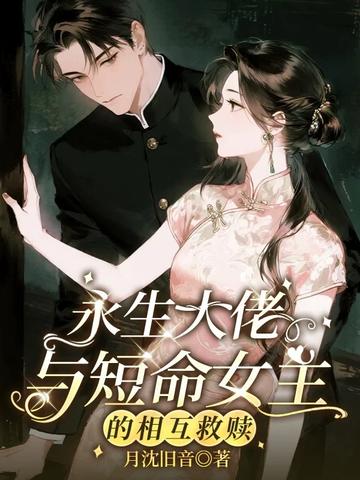
Shanghai, 1933. Shen Xinglan, the daughter of a warlord, is “murdered” in a bizarre car crash on a rainy night, only to be rescued by the mysterious tycoon Fu Jinming.
Pale and strikingly handsome, he speaks with a sharp edge, yet knows her likes and dislikes by heart. Beneath his cutting remarks lies a tenderness she cannot see through.
She tries to escape, but flashes keep appearing in her mind: herself driving a sword through a man's chest, hot blood spilling, the sensation startlingly real.
When a gun is pointed at his chest, she instinctively takes the bullet for him. The wound in her palm heals at once, and their fate begins to awaken.
An ancient animal hide conceals secrets from the distant past, while a green spirit crystal binds their lives and deaths together.
Why does she die in every lifetime on the very brink of happiness?
Is a thousand-year-old obsession salvation, or a curse of endless reincarnation?
He is immortal and undying, waiting a lifetime for her, yet terrified she'll die once again.
This time, will they break free of their fate or repeat the past?
The story's central theme is fate and resistance: the heroine dies a tragic death in every life after falling in love with the hero. At its heart is her struggle against destiny and the attempt to break the shackles of a fate in which loving each other means death.
Curse and salvation: The heroine sacrifices her essence to make the hero immortal. She grants him eternal life, but leaves him alone in his solitude, repeatedly suffering the loss of the one he loves. Immortality becomes an endless torment. Love is both the ultimate sacrifice and a thousand-year curse.
Vessels and self-awakening: The hero and heroine were created by others as “bodies/vessels,” yet they awaken independent souls and emotions, resisting a fate in which they are defined and exploited, and proving that souls and love are not bound by identity.