Once the beast's body dies, its soul will be completely annihilated!
A wildlife photographer who has been paralyzed for three years is pulled into a cruel biological trial.
You need to be reincarnated into multiple beasts one after another, live a complete life, leave surviving descendants, and die of natural aging before you can pass a level.
Without superpowers, all creatures in the world only have primitive instincts.
The beginning is extremely humble, just an inconspicuous dung beetle; on the road ahead, there are rainforests, rivers and seas, and murderous intent is everywhere.
The observation and judgment skills honed in eight years of field shooting are the only trump cards in his hand.
A human heart is forced to endure the beast's journey of life and death.
Reader comments
This is really a rare gameplay in Tomato. It adopts a completely documentary-style reincarnation style. In the beginning, you will be a dung beetle, and in the next round, you will become a roe deer. They are all ordinary little animals with no fighting power, and there is no Long Aotian buff.
The system settings are particularly funny, focusing on equal exchange, and always thinking about collecting points from the protagonist. The protagonist was originally a paralyzed vegetative state. He relied on points to wake up and treat his illness. If the tasks were not up to standard, he would be left alone. If the system failed to benefit him, he would just die and lie down. Ordinary people would have already lost their mentality.
The author is also very considerate. Every time a new creature is unlocked, it will be accompanied by a detailed introduction and pictures, for fear that readers will not understand the setting.
The plot is realistic and top-notch. It's really hard to explain why a book with such care is not popular.
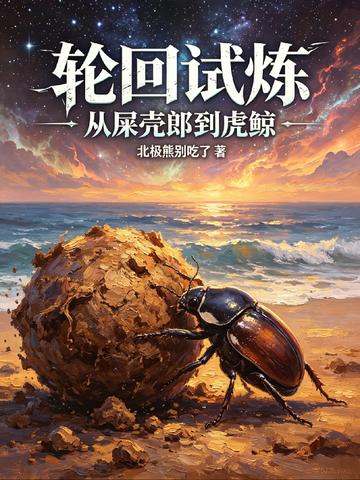
This is really a rare gameplay in Tomato. It adopts a completely documentary-style reincarnation style. In the beginning, you will be a dung beetle, and in the next round, you will become a roe deer. They are all ordinary little animals with no fighting power, and there is no Long Aotian buff. The system settings are particularly funny, focusing on equal exchange, and always thinking about collecting points from the protagonist. The protagonist was originally a paralyzed vegetative state. He relied on points to wake up and treat his illness. If the tasks were not up to standard, he would be left alone. If the system failed to benefit him, he would just die and lie down. Ordinary people would have already lost their mentality. The author is also very considerate. Every time a new creature is unlocked, it will be accompanied by a detailed introduction and pictures, for fear that readers will not understand the setting. The plot is realistic and top-notch. It's really hard to explain why a book with such care is not popular.