[The mastermind behind the scenes + tower defense farming + formation upgrade + Dihua flow + princess start + infrastructure development + all things plus points + immortal dynasty hegemony]
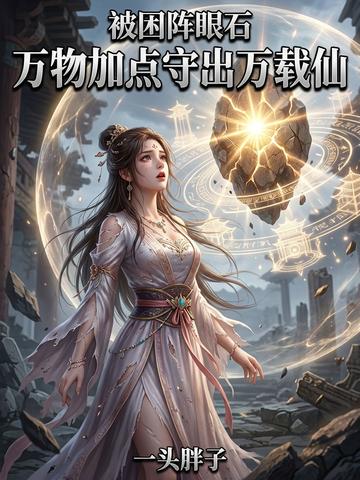
Lin Xuan penetrated into the core of the sect-protecting formation. The sect was destroyed and the mountain gate was in ruins. He was left with only a piece of broken stone covered with cracks. He could not move or run, and he had no ability to protect himself. The only reliance is the newly awakened "Absolute Domain Panel": within the range of the formation, he is the rule itself, absolutely invincible; outside the range of the formation...
Reader comments
Readers only have three seconds to be patient when scrolling through the page. Don't lay out the world view and throw away conflicts, grievances, and counterattacks in the first sentence.
The writing style is a bonus, and the emotion is a passing mark. If the opening chapter is not arresting, no matter how gorgeous the rhetoric is, no one will want to read the second chapter.
Don't create the characters first and then give the plot, rely on one thing to establish the characters, and the contradictions and protagonists appear simultaneously.
The reading rate determines the amount of recommendations. There must be small ups and downs in every three hundred words, and you cannot describe a running account in large paragraphs.
Hot hits never educate readers, they only satisfy readers: feeling refreshed, relieving stress, empathizing, and realizing dreams, at least one of the four.
The skeleton of the story is the plot, and the flesh and blood is the emotion. The two cannot be separated. There are only events without emotions, and the readers have no sense of involvement.
Small cool points are spread densely, and big reversals are spaced out; only when the suppression is deep enough can the counterattack be strong enough, suppressing first and then rising will never go out of style.
All supporting characters, subplots, and foreshadowings all serve the protagonist's emotions and are decisively deleted if they are irrelevant to the plot.
Readers should feel a sense of security when reading a book: no matter how dangerous the situation is, there should still be a glimmer of hope for a comeback, and they should not be depressed throughout the whole process with no end in sight.
Pretending to be a pig and eating a tiger, being slapped in the face in public, being helped by nobles, and making enemies miserable are not clichés, they are the most urgently needed emotional outlets for the public.
A perfect protagonist cannot retain people. Only ordinary people with weaknesses, obsessions, and mistakes can make readers lose their attention.
There is no need to pile up gorgeous characters, use actions to reflect your character, talk less and do more, the details are more poignant than the narration.
The villain should not be purely evil, give him a motive, and the conflict will be three-dimensional; the opposition between good and evil is too thin to support a long-running blockbuster.
Write about the emotions you have personally experienced. No one can be fooled by empathy. Readers can see through the joys and sorrows imagined out of thin air at a glance.
If a novel wants to be popular for a long time, the characters must have a growth arc, from weak to strong, and their moods change simultaneously.
There are no blockbusters that come out of nowhere. Ten books can be replaced by one hit. Persistence is more important than talent.
Don't just rely on inspiration for writing. Hot hits are replicable logic, and the emotional rhythm and hook structure have rules to follow.
Don't look down on routines. Routines are market-proven emotional models. What's new is adding unique details to the routines.
Criticism from readers is not to deny you as a person, but to remind you where your emotions are not in place and your rhythm is off.
Write to support yourself first, and then talk about expressing your ideals; traffic is the medium that allows your story to be seen by more people.
Highly recommended, passionately recommended, vomiting blood recommended, the plot is full of ups and downs, with constant twists and turns, and it is extremely enjoyable to watch.
The characters are particularly vivid, as if they are right in front of you.
The rhythm is excellently controlled, and the foreshadowing and foreshadowing are beautifully done.
The world view is complete, the setting is rigorous, and the sense of substitution is strong.
The author's perspective is unique, and the world he writes about is real and moving. You will benefit a lot from reading it.
It grabs your attention from the beginning to the end and is the most amazing thing I've read in recent times.
Readers only have three seconds to be patient when scrolling through the page. Don't lay out the world view and throw away conflicts, grievances, and counterattacks in the first sentence. The writing style is a bonus, and the emotion is a passing mark. If the opening chapter is not arresting, no matter how gorgeous the rhetoric is, no one will want to read the second chapter. Don't create the characters first and then give the plot, rely on one thing to establish the characters, and the contradictions and protagonists appear simultaneously. The reading rate determines the amount of recommendations. There must be small ups and downs in every three hundred words, and you cannot describe a running account in large paragraphs. Hot hits never educate readers, they only satisfy readers: feeling refreshed, relieving stress, empathizing, and realizing dreams, at least one of the four. The skeleton of the story is the plot, and the flesh and blood is the emotion. The two cannot be separated. There are only events without emotions, and the readers have no sense of involvement. Small cool points are spread densely, and big reversals are spaced out; only when the suppression is deep enough can the counterattack be strong enough, suppressing first and then rising will never go out of style. All supporting characters, subplots, and foreshadowings all serve the protagonist's emotions and are decisively deleted if they are irrelevant to the plot. Readers should feel a sense of security when reading a book: no matter how dangerous the situation is, there should still be a glimmer of hope for a comeback, and they should not be depressed throughout the whole process with no end in sight. Pretending to be a pig and eating a tiger, being slapped in the face in public, being helped by nobles, and making enemies miserable are not clichés, they are the most urgently needed emotional outlets for the public. A perfect protagonist cannot retain people. Only ordinary people with weaknesses, obsessions, and mistakes can make readers lose their attention. There is no need to pile up gorgeous characters, use actions to reflect your character, talk less and do more, the details are more poignant than the narration. The villain should not be purely evil, give him a motive, and the conflict will be three-dimensional; the opposition between good and evil is too thin to support a long-running blockbuster. Write about the emotions you have personally experienced. No one can be fooled by empathy. Readers can see through the joys and sorrows imagined out of thin air at a glance. If a novel wants to be popular for a long time, the characters must have a growth arc, from weak to strong, and their moods change simultaneously. There are no blockbusters that come out of nowhere. Ten books can be replaced by one hit. Persistence is more important than talent. Don't just rely on inspiration for writing. Hot hits are replicable logic, and the emotional rhythm and hook structure have rules to follow. Don't look down on routines. Routines are market-proven emotional models. What's new is adding unique details to the routines. Criticism from readers is not to deny you as a person, but to remind you where your emotions are not in place and your rhythm is off. Write to support yourself first, and then talk about expressing your ideals; traffic is the medium that allows your story to be seen by more people.
Highly recommended, passionately recommended, vomiting blood recommended, the plot is full of ups and downs, with constant twists and turns, and it is extremely enjoyable to watch. The characters are particularly vivid, as if they are right in front of you. The rhythm is excellently controlled, and the foreshadowing and foreshadowing are beautifully done. The world view is complete, the setting is rigorous, and the sense of substitution is strong.
The author's perspective is unique, and the world he writes about is real and moving. You will benefit a lot from reading it. It grabs your attention from the beginning to the end and is the most amazing thing I've read in recent times.