Three months ago, the Embroidered Uniform Guard dragged Li Yan, a military commander fighting Japanese pirates in Zhangzhou, out of bed.
No one knew how he managed to come out alive.
After his release from prison, he was sent to Xiangtang Fort, the most dilapidated outpost in the northwest.
It had fewer than three hundred soldiers, less than three months' worth of food, and every usable blade in the armory crumbled into iron flakes at a touch. The previous deputy commander had taken eight hundred men on patrol. Not one had returned.
Everyone said the court had abandoned the fort long ago.
But Li Yan crouched on the battlements, pinched some dirt between his fingers, and said, "I want to live."
With no soldiers, he recruited deserters from Liaodong. With no food, he raided the Tartars. With no crossbows, he mined ore and forged his own. If the court wouldn't provide for him, he'd take what he needed himself.
One night, as he sat atop the wall counting stars, he told his bodyguard, "I learned something in the imperial prison: all a person needs to stay alive is a single purpose."
The bodyguard asked, "What purpose?"
He replied, "To turn this fort into a place where we can hold our ground."
Later, the people of the grasslands called him the Iron Nail of Xiangtang Fort. The Eastern Jurchens said he was in their way. Memorials to the court called him a man who could not be allowed to live.
But all he was doing was waiting for someone.
Waiting for the person who had told him outside the imperial prison, "You can keep on living," to tell him the truth.
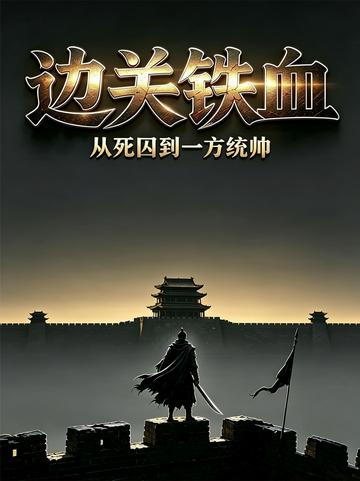





The scene setting, environment description, and character portrayal are all concise and worth watching.