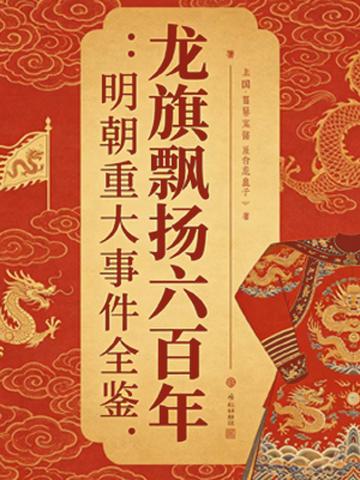
With a broad perspective, this book provides an in-depth analysis of the key turning points that shaped the national destiny of the Ming Dynasty in the past three hundred years, from the founding of the Ming Dynasty by Zhu Yuanzhang to the hanging of Emperor Chongzhen on Meishan Mountain. The author Wang Wenxuan captures major historical events that are intertwined with imperial strife, border wars, institutional changes, and emperors' intentions. Using rigorous historical materials as the basis and vivid narrative as the weft, he strives to restore a magnificent and thrilling scroll of the rise and fall of the empire. The book not only focuses on far-reaching political storms such as the Hu Weiyong case, the Jingnan Campaign, the Tumubao Incident, and the Gate Seizing Incident, but also focuses on the various social conditions under the shadow of factory guards, the struggles of human nature in the change of imperial power, and the mainstay of loyal ministers and righteous men during the national crisis. By interpreting the game in the whirlpool of power, the hidden worries in the afterglow of the prosperous age, and the institutional logic behind the iron-blooded conquest, this book aims to reveal the trajectory of the unique political ecology of the Ming Dynasty and the endless thoughts it left for future generations. Readers will follow the author's writing and shuttle between the palaces of the Forbidden City and the hunting flags outside the Great Wall. In the turbulent historical scene, they will feel the complex pulse of an empire from prosperity to decline, and understand the ups and downs of individual destiny and the flicker of human nature in the great era.