#PeriodNovel #Farming #FamilyDrama #RuralFiction #RealisticFiction #RagsToRiches
The year was 1991, and a severe drought gripped the land.
The wheat was so stunted you could barely pinch a grain. In the village, someone got his head split open fighting over water.
Wang Xiaoman crouched at the edge of the field, rubbed a handful of wheat grains between his palms, blew away the husks, then tipped them into his mouth. They were impossible to chew or swallow, and left nothing but bitterness.
His mother had coughed all night, and they were still far short of the money for his three children’s school fees.
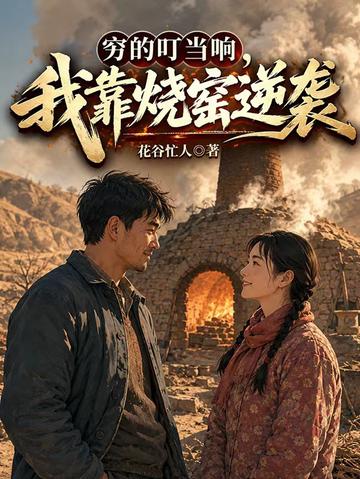
He borrowed a thousand yuan and built a kiln.
Once the kiln was lit, it never went out again.
Five years later, all five kilns were running.
Cement had pushed lime to the brink, and the environmental bureau came by and ordered him to upgrade. While everyone else panicked, he staked the most valuable things his family owned, their lime kilns and homestead, on the line.
He borrowed 150,000 yuan to build a brickworks.
Yindi pulled 2,600 yuan in hidden savings from the bottom of a cabinet and placed it in his hands.
She said only one thing:
“Go on. The worst that can happen is we start over. It’s not like we’ve never been poor.”
Thirty workers were waiting for their next meal, and a 150,000-yuan loan weighed on his shoulders.
He refused to accept his fate. He believed in fire.
This is the story of a man from the northwest who “fired” his way to a better life:
No golden finger, no miraculous windfall from the heavens, only the blazing kiln fire on the loess ridges and a pair of hands that never let go.

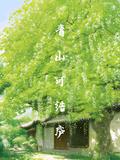
A very good period article, which vividly depicts rural entrepreneurs in the 1990s. The protagonist is undoubtedly lucky. Although he is poor, the people around him, including his father and wife, support him wholeheartedly, love him, support all his major decisions, and help him find ways to solve difficulties. Such a loving family is enviable, and we hope to see them live a good life. Really nice.
The writing style is quite good, and it vividly expresses the living habits, difficulties, and tenacity of rural people.