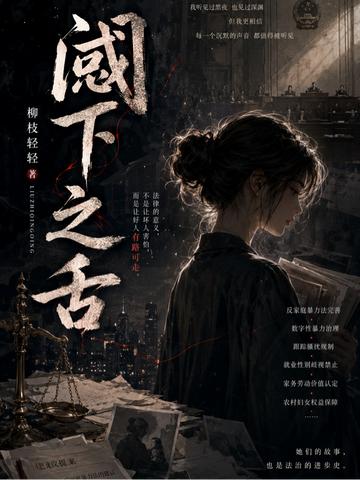
Seven-year-old Lin Zhixia lay in the crack of the camphor wood window pane and witnessed the wailing of Aunt Wang next door, her head covered with blood. The police who arrived only left an understatement: "It's normal for couples to quarrel."
That was the first time she encountered the feeling called "powerlessness". Later, both her parents passed away in a car accident, and the compensation they received with their lives was divided up by greedy relatives. Her name was erased and became a cold number plate in the county orphanage: "097."
Lin Zhixia did not shed any tears. She used a rusty iron nail to dig out her name on the back of the number plate.
From an orphanage in a remote mountainous area to a debate venue at the China University of Political Science and Law; from a top law firm with an annual salary of one million but hijacked by capital, to a struggling legal aid center dedicated to speaking out for women at the bottom - Lin Zhixia has walked the most painful and hottest road.
She once thought that injustice was just the evil thoughts of bad people;
Later, she thought that the law could solve all injustices;
It wasn't until she faced the black industry of inter-provincial trafficking, mountainous girls whose lives were replaced, pregnancy discrimination in the workplace, and AI face-changing sexual violence in the digital age... She finally understood: Sometimes the law has stood by the victim, but the reality has not yet. Saving one person requires a lawyer, but saving a generation requires a system.
"The greatest significance of the law is not to punish crimes. It is to make everyone believe that they are worthy of protection."