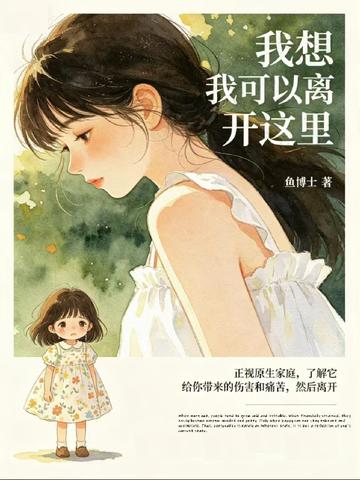
Wang Xiaonan was born in Northeast China in the 1990s, and from the moment she was born, she had no home.
Her father was a hopeless gambling addict, while her mother was weak and selfish and had an affair during her marriage. Her parents divorced when she was six, and by the time she was nine, their relationship had completely fallen apart. After three years of living under someone else's roof and enduring their cold looks, she went to live with her father. Only then did she see the coldness and cruelty at the core of her mother's nature.
Her mother married and divorced three times, then eventually remarried her father. All she ever did was use filial piety to guilt-trip her daughter and demand respect and obedience.
In college, Wang Xiaonan juggled three part-time jobs, and she relied entirely on scholarships to complete her graduate studies. When she fell ill, she had to tough it out alone; her parents never once asked how she was. As soon as she started working, they pressured her to pay off her father's debts and buy him clothes and a phone. After she emptied her savings and gave them 30,000 yuan, she finally severed the last emotional ties in her heart.
She spent New Year's Eve alone in her rented apartment. She became pregnant twice, and both pregnancies ended in miscarriage. Her parents merely tossed her 1,000 yuan each time as a perfunctory gesture. Then, under the guise of moral duty, they hid her grandmother's illness from her and pressured her to rush around until she caught pneumonia and lost another child. Wang Xiaonan's heart died, and she cut off all contact.
Her relatives egged her parents on to take her to court. The day she received the court order requiring her to support them, she finally felt a weight lift from her shoulders.
Some blood ties, it turned out, could only be settled through the law. From then on, she would repay this lifelong burden of family trauma, one payment at a time, with no emotional ties left between them.

The structure is clear and you can feel the embarrassment and helplessness of the little protagonist.