This novel uses Wu Qiancheng's career as a lead to connect the collective memories of several batches of college graduates in the mid-to-late 1990s. They returned to the villages and towns in central Hunan from the office buildings in Guangdong. They changed from high-spirited young people to middle-aged people with gray hair on their temples. They went from being called "Xiao Wu" to being called "Old Wu". They have experienced the wave of furloughs and layoffs, experienced status anxiety in institutional reforms, and experienced the belated relief of the concurrent rank-level policy. The vast majority of them spend their entire lives wandering around the eighth-level management position. But their attitude towards work has never been compromised.
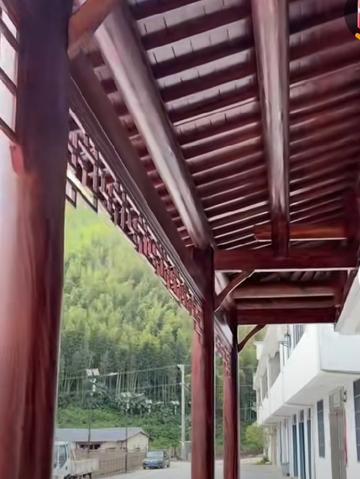
The novel uses the careers of these people as the bright thread and their unknown inner world, family, and emotions as the dark thread, trying to outline a profile of an era. Those who had stood under the eaves of the corridor came and left, and left and came again. The eaves are still the same, and the beams are still the same. It's just that the people under the eaves have changed one after another.
Their stories are the epitome of countless ordinary people within the system. There are no earth-shattering achievements, no legends of ups and downs, only perseverance day after day, only reverence for duty, and only in the dead of night, quietly saying to myself: I have a clear conscience.
Welcome to my novel
Reader comments
This book truly reflects the current situation of the distribution of college and technical secondary school graduates into the system in the late 1990s.
This book truly reflects the current situation of the distribution of college and technical secondary school graduates into the system in the late 1990s.