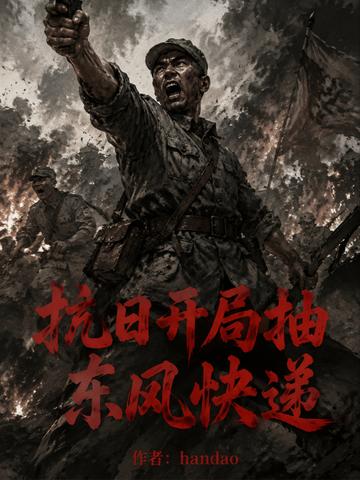
What this book is not about is a conventional cool article about "special forces opening a harem to fight the Japanese". It is about an extremely sharp proposition: **A modern man travels back to a desperate situation with an absolute advantage in firepower, but he sees clearly in every victory - pure killing cannot save a nation. The real victory is for the nation to learn to breathe again in the ashes. ** The protagonist Zhou Yuan came to the Songhu battlefield in 1937 with a hellish information gap and an almost cheating arms system. He could shoot through a squad of Japs with a Type 92 pistol on a rainy night, and he could use the system to pull out a 120mm mortar to kill a unit. The team headquarters was bombed into the sky, but when he climbed out of the crater, wiped the blood from his face, and found that he still could not prevent the position from being run over by Japanese tanks within three hours, he had to face a cruel truth: Firepower can only win battles, not wars. The real opponent was not a Japanese military officer named Suzuki Kenji, but the abyss that separated China and Japan in 1937, consisting of industrial gaps, organizational gaps, and cracks in national consciousness.