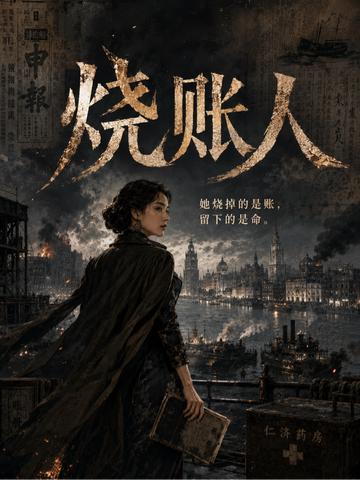
In 1962, young reporter Su Manqing found an old woman in an old tea stall in Hong Kong. In the file, her name was Mei Jiuru, and everyone in old Shanghai called her Jiu Ye: she ran dance halls, warehouses, and docks, sold black market drugs, walked in gold, and did business for Japanese trading companies. All evidence points to her being unclean.
But in 1923, she was only the ninth daughter of Su Bei who was sold to Shanghai, named Mei Xiaojiu. She learned to survive from a bowl of leftover rice, a page of customer accounts, and a boat trip, turned news into money, turned money into warehouses, and turned warehouses, medicines, gold, and connections into "ferries" to save people when the mountains and rivers were broken.
What she burned was her account, but what she left behind was her life.