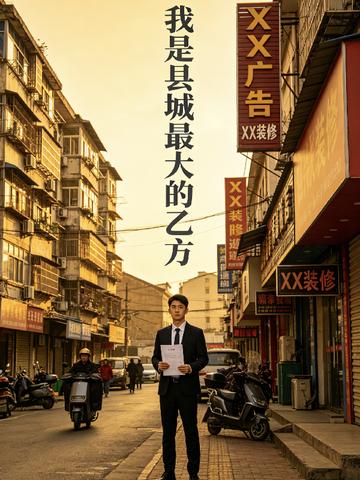
Lin Hua graduated from a mediocre second-tier college. With no resources or connections, he couldn’t keep up with the rat race in the big city, so he returned to his impoverished home county to lie flat.
During a conversation with his mother, he bonded with the “Rural Revitalization Special Management System.” Qingxi County had 287,000 permanent residents, each providing 100 yuan a day, for a daily total of 28.7 million yuan.
There was so much money it was almost too hot to handle. But there was only one rule: 90% had to be spent on infrastructure, public services, and industry in Qingxi County. Every cent had to be traceable, and every step had to comply with regulations.
It began with repairing a single crumbling road in the old town and replacing a few broken streetlights. From there, he built an industrial park for returning workers, established apartments for skilled talent, and transformed a hollowed-out county of 380,000 people into a national model for county-level revitalization.