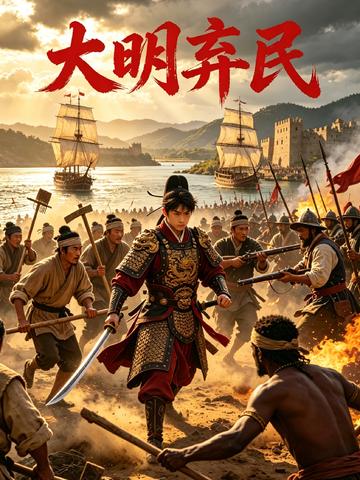
In the final years of the Ming dynasty, the realm is battered by storms. Across the islands of the South Seas, the glory of the treasure fleets has long since faded, and the Chinese have become prey. Without the protection of their homeland, they are merely a people cast aside. But then one man steps forward and awakens the spirit of resistance in their hearts. A mighty tide gathers, countless stalwart souls rise up, and the banner of rebellion unfurls. The outcasts are reborn, and their old country finds a turning point. Foreigners, natives, Japanese pirates, and Tartars: when the people of Ming stand united, wherever the sun and moon shine is Ming territory!
Not a bad start. The author's thinking is right. Travel through the troubled times of the late Ming Dynasty. Ordinary people are just cannon fodder sent to death. There are two things that must be met to travel through time. A modern active-duty soldier or retired soldier who has certain modern military knowledge and abilities. 2. Understand certain modern military industry knowledge and technology. The author clearly understands both of these points.
In the Luzon Massacre in 1603, the Spanish colonists, together with natives and Japanese, killed about 25,000 Chinese. The Chinese settlement "Jiannei" was razed to the ground by cannons.
Many people ask me why a person who reads official history still likes to read historical novels.
Because in the official history, there are difficulties everywhere. How many heroes are helpless, how many endings are helpless.
While reading, I can't help but think, what would I do if it were me? But there is no chance of repeating history. Shuangwen is used to fill this regret. I know it is fiction, but I just want to relax the tone in my heart.
After reading this book for so long, I personally think it is still worth reading. The best novel from the late Ming Dynasty that I have read in Tomato is Wei Wei's Haha Da Ming, and then this one.
It's interesting and well written, don't give up! Come on, author!
It is well written, very detailed, and expresses the sadness of overseas Chinese.
Really well written. The writing is good, the plot is well written, and there are no flaws so far.
Awesome! Come on, author!
Very interesting and well written, keep it up.
Looks good, supports it. I haven't read any other books. Just follow this one
Not a bad start. The author's thinking is right. Travel through the troubled times of the late Ming Dynasty. Ordinary people are just cannon fodder sent to death. There are two things that must be met to travel through time. A modern active-duty soldier or retired soldier who has certain modern military knowledge and abilities. 2. Understand certain modern military industry knowledge and technology. The author clearly understands both of these points.
In the Luzon Massacre in 1603, the Spanish colonists, together with natives and Japanese, killed about 25,000 Chinese. The Chinese settlement "Jiannei" was razed to the ground by cannons.
Many people ask me why a person who reads official history still likes to read historical novels. Because in the official history, there are difficulties everywhere. How many heroes are helpless, how many endings are helpless. While reading, I can't help but think, what would I do if it were me? But there is no chance of repeating history. Shuangwen is used to fill this regret. I know it is fiction, but I just want to relax the tone in my heart. After reading this book for so long, I personally think it is still worth reading. The best novel from the late Ming Dynasty that I have read in Tomato is Wei Wei's Haha Da Ming, and then this one.
It's interesting and well written, don't give up! Come on, author!
It is well written, very detailed, and expresses the sadness of overseas Chinese.
Really well written. The writing is good, the plot is well written, and there are no flaws so far.
Awesome! Come on, author!
Very interesting and well written, keep it up.
Looks good, supports it. I haven't read any other books. Just follow this one
Well written and beautiful