[Apocalypse + small storage space + stockpiling + laid-back]
The early chapters feature extensive stockpiling and renovations, with a slow pace. This is not a wish-fulfillment story.
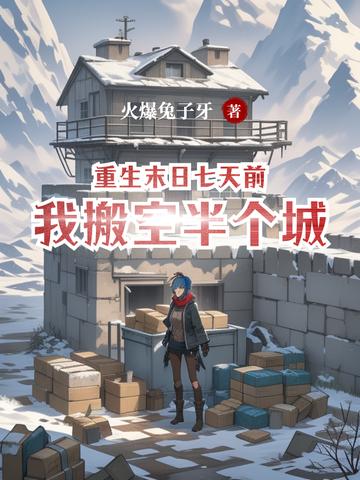
Su Wan, a twenty-seven-year-old illustrator, inherits an old country house and gains a ten-cubic-meter stasis space, along with a disaster diary from 1963. During Friday evening rush hour, she witnesses a seven-car pileup on an elevated highway. Green auroras suddenly appear in the sky, all the phones stop working, and navigation fails.
The countdown to the apocalypse in her grandmother’s diary has only thirty-nine days left.
She pawns her gold bars, maxes out her online loans, and disappears into the shadows of the city with 620,000 yuan. She buys grain and cooking oil by the ton at wholesale markets, empties the shelves of antibiotics at thirty pharmacies, orders custom blast-resistant glass under the pretense that it’s “for typhoon protection,” and has a secondhand bank vault door welded onto her old house.
She turns the basement into a climate-controlled storeroom, covers the roof with disguised solar panels, digs a “decorative fish pond” that is really a reservoir, and fills a greenhouse with autumn vegetables.
When the apocalypse strikes and the temperature soars to 45 degrees, she lounges inside her insulated fortress, drinking chilled mung bean soup.
When floods engulf the land, she turns on the water pump and watches the vast sea below the mountain.
As disease runs rampant, she relies on a mosquito lamp and her orange cat, Nian Gao, to protect her clean refuge. When temperatures plunge to minus thirty degrees, she fires up the wood-burning stove to bake bread and brew soy sauce.




Generally speaking, there are dissatisfied women's words. NPC female to male ratio is low.