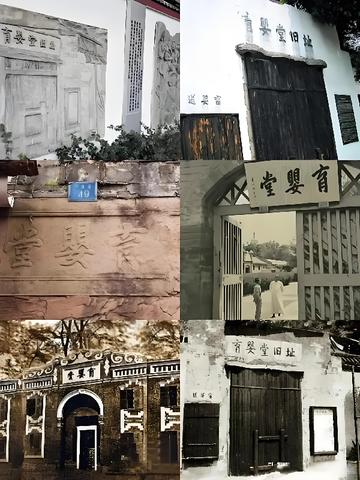
In the seventeenth year of Guangxu (1891), Danyang, Jiangsu. A heavy rain collapsed the backyard wall of the Catholic church, revealing the skeletons of more than 70 children - some with eyes gouged out, some with severed limbs, layered on top of each other. The people rushed into the church and set it on fire. This is the "Danyang Lesson Plan".
Shen Zhou, the acting official of Zhenjiang Prefecture, was ordered to investigate. He squatted at the bottom of the bone pit for a whole day, and concluded from the skull orientation, sharp weapon wounds, and layered burials: the plague was fake and the murder was real. But who is the murderer? Why kill these children? Why is there not a single live baby in the nursery?
The pursuit extends from churches to docks, concessions, trading houses, and secret societies. Every time he gets closer to the truth, Shen Zhou discovers that there are bigger people standing behind him - the leader of the world who incites public anger, the foreign comprador who sells narcotics, and the British knight who writes his thesis using the bones of children. When he finally tracked down the final buyer, a high wall stood in his way: extraterritoriality.
This is a true event witnessed by Jin Yong's grandfather Zha Wenqing. This book takes it as the starting point, uses a copper ruler, a box of physical evidence, and five layers of reversals to describe the powerlessness and resistance of the judiciary in the late Qing Dynasty under the iron curtain of the great powers. The line drawing technique is like a knife, and the writing style is cold and restrained. It is known as "the benchmark paradigm of historical suspense".
Shen Zhou resigned and returned home, taking with him the wooden box that could no longer be closed. One hundred and thirty-five years later, an old copper ruler of unknown origin is displayed in a display cabinet of the Zhenjiang Museum.