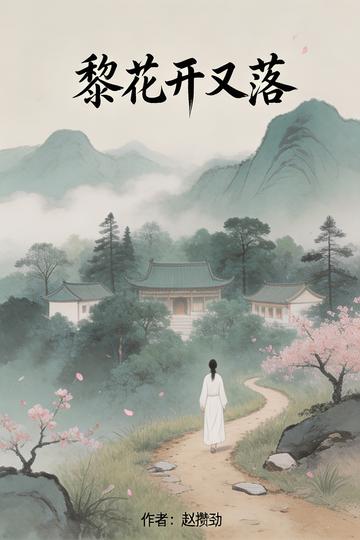
"The Fall of Li Flowers" takes the struggle of the Lijia'ao youth out of the mountains as the main line, showing the struggle and growth of a generation from poverty to prosperity, from ignorance to civilization during the period of drastic changes in Chinese society. Li Qingshan came out of the depths of the mountains. With the diligence of the mountain people and his good cooking skills, he started as a cleaner in the provincial capital and gradually established the "Qingshan" catering empire. Hua Feifei returned from Hong Kong with a troubled past, and just wanted to find a peaceful place to live. Two people who had been touched by fate met. He married her despite the rumors, and she spent ten years of hard work helping him build a business map. Xu Zifeng, a young boy who came out of the same mountain, took another path. He quickly rose to prominence by cultivating connections and clinging to powerful people, and then collapsed in the whirlpool of power and capital, relying on a small supermarket to rebuild his life. The novel takes the love between Li Qingshan and Hua Feifei as the main line, interspersed with multiple narratives such as the emotional trauma of the educated youth generation, the ethical dilemma of family inheritance, and the development pains of private enterprises. Hua Feifei originally wanted to return to ordinary life, but was pushed into a more complicated situation by fate. A Hongmen Banquet ruined half of her life's innocence. Before she became a nun, she only left behind a piece of paper: "The bad fate in this life will not be seen in the next life." ' "Li Hua Luo" is not only the history of a person's fortune, but also a microcosm of an era. It allows us to see that behind the great changes in the mountains and villages, under the aura of the myth of wealth, those forgotten, sacrificed, and redeemed souls are the truest footnotes of this era.