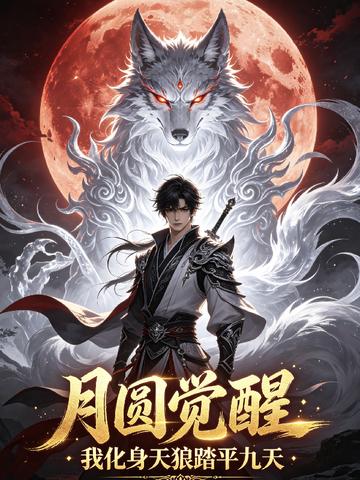
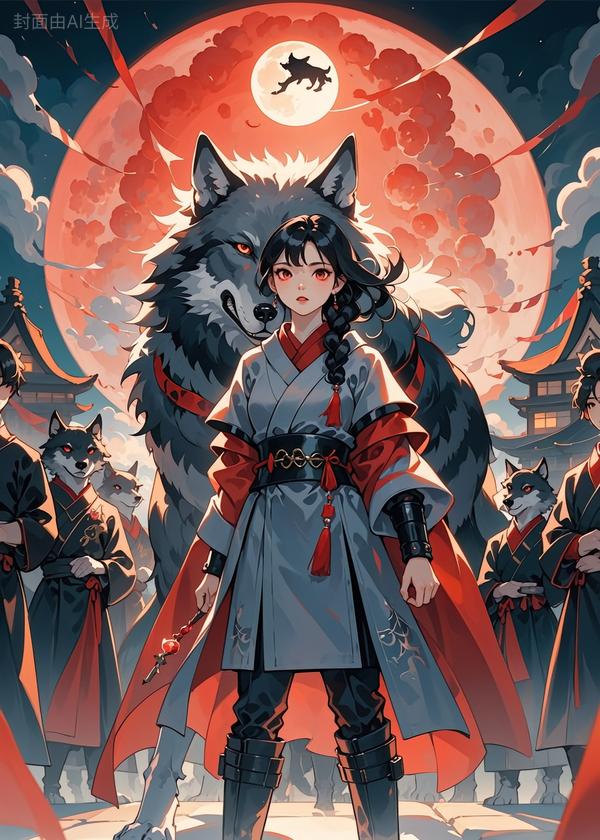
Werewolf society is organized into groups called packs, each ruled by an Alpha.
- Alpha: The pack’s supreme ruler, its strongest member, and the final authority on all pack affairs. The position is held for life.
- Beta: The Alpha’s right-hand wolf, helping manage the pack’s day-to-day affairs. Betas are usually exceptionally strong werewolves and are often the Alpha’s closest friends or blood relatives.
- Luna: The Alpha’s fated mate and official partner. She holds a position of great honor, can participate in major pack decisions, and is the lady of the pack.
- Warrior Guard: The pack’s core fighting force, made up of elite werewolves who answer directly to the Alpha.
- Outsiders: The lowest-ranking members of the pack, usually weak or low in status, who face exclusion and discrimination.
- Rogues: Werewolves with no pack affiliation, wandering from place to place and often possessing exceptional skills.
[Core Werewolf Lore]
- Inner Wolf: Every werewolf has an “inner wolf” within them from birth, sharing a soul with its Host. The inner wolf has its own consciousness and emotions, and can influence its Host’s judgment and strength. The better the relationship between a Host and their inner wolf, the stronger they are in battle. A poor relationship may lead to loss of control or limited power.
- Moon Goddess: The sole deity worshipped by werewolves, who governs the phases of the moon and the matching of fated mates. Every pair of fated mates is chosen by the Moon Goddess on a full moon night through a “lunar mark resonance.”
- Shifting: Werewolves usually unlock their ability to shift between the ages of 16 and 18. After shifting, their strength, speed, and senses are all enhanced, but there is also a risk of losing control.
- Wolfless: Some werewolves reach the age of shifting but still cannot summon a wolf form. They are called “wolfless.” Such people hold very low status in the pack and are often bullied.