“His Majesty, the Emperor has passed away!”
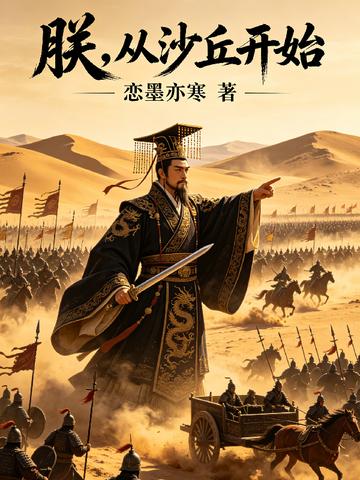
At the Shaqiu platform, Zhao Gao's shrill voice pierced the rainy night.
When Ying Zheng opened his eyes, the bitter taste of cinnabar still lingered in his mouth.
He wasn't dead. Or rather, he had died, then come back to life.
The two thousand years of memories that had appeared in his mind told him that the eunuch before him, head bowed in meek submission, would alter the imperial edict in a month; that his eldest son, weeping bitterly, would be sentenced to death by a forged decree; and that the Great Qin Empire he had spent his life building would collapse within three years, becoming a cruel laughingstock in the history books of later generations, remembered as a dynasty that fell after only two reigns.
The remnants of the six kingdoms were still plotting, while Confucian scholars were sharpening their knives.
They were all waiting for the First Emperor to draw his last breath.
But what they got instead
Was the sight of Ying Zheng slowly sitting up, a pair of eyes suddenly deep and inscrutable, and a whisper that made everyone's hair stand on end:
“Bring it here. I'll write it myself.”
As the course of history veered off its path at Shaqiu, and the body of the greatest emperor in history came to house a soul from two thousand years in the future
Burn books and bury scholars alive? No. He would let a hundred schools contend and recruit talent for the state.
Build the Great Wall to fend off enemies? No. He would strike first, so the Hu people would never dare ride south to graze their horses again.
Fall after two generations? No. He would lay the foundations for an empire that would endure for all eternity.
From court intrigue to battlefield campaigns, from iron-fisted rule to bringing prosperity to all under Heaven.
This is the story of an emperor defying fate, and an epic tale of a civilization choosing a new direction.
When Great Qin's cavalry tramples the Xiongnu royal court, when its merchant ships set sail and reach Rome, when scholars debate the hundred schools of thought in brand-new academies…
It's a good book, it contains history, and it's full of reverie. It makes people want to see what the Qin Dynasty would be like if the First Emperor did not die. What would the First Emperor with modern ideas make of Great Qin?