In the fourth year of Xuanhe, the Song court is in decline. The Liao and Jin covet the northern frontier, Fang La holds the Jiangnan region, and the flames of war spread across a chaotic land.
Wang Qing, who knew the history of the Song dynasty in his previous life, watches the game of empire with a cold eye. He neither aids the Song nor joins Fang La, letting the court and Jiangnan bleed each other dry and exhaust the nation's strength. When the Song's elite troops have been all but wiped out and the defenses of the Jingxiang heartland lie exposed, he quietly leads his forces out of hiding.
At his side, Li Zhu plans with brilliant foresight, while Du Xue is a match for ten thousand men. He also gathers heroes who fought bandits, remnants of Fang La's forces, and embittered Liangshan outlaws. Controlling the Han River supply route and locking down the north-south corridor, he takes the vital strongholds of Xiangyang, Jingzhou, and Nanyang without bloodshed, securing the strategic lands of Jingxiang.
He forces the Song court to cede territory and grant him a title, then builds his own domain along the Han and Yangtze rivers. He reforms the bureaucracy, promotes farming and commerce, builds a navy, fortifies natural defenses, and allies with Tian Hu in Hebei as he watches the Liao and Jin situation unfold.
He names his state Tianqing and establishes himself as lord of Jingxiang, holding off powerful neighbors abroad and bringing peace to the people at home. The Song barely clings to life, Liangshan disappears, and Fang La's cause is doomed. The beginnings of a three-way division of the realm now emerge.
An unconventional rise to power amid the chaotic world of Water Margin, and an epic tale of a warlord securing the Han and Yangtze lands and vying for supremacy over the Central Plains.



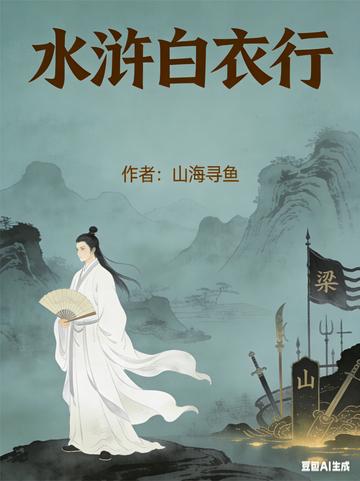



Finally, I came across a Water Margin novel that took an unusual path. The tragedy of Song Jiang's recruitment and the fall of Fang La's uprising. This novel directly jumps out of the original plot. The protagonist gathers two factions of frustrated heroes, does not rely on the Song Dynasty, establishes the Tianqing Kingdom on his own, defends Jingzhou in Xiangyang, locks the north-south artery, and joins forces with Tianfu to fight against the Liao and Jin Dynasties. It not only retains the passion of the heroes of the Water Margin but also has a sense of hegemony in troubled times. The layout is far superior to similar novels.
This book about the struggle for hegemony in the Northern Song Dynasty really describes what the troubled times should be like. In the four years of Xuanhe, the Song Dynasty declined, the Liao and Jin Dynasties looked at each other, and Fang La was divided. Everyone was lining up to fight for their lives, but the protagonist Wang Qing looked on with cold eyes and took advantage of his knowledge of Song history. Sit back and watch the consumption of all parties, and finally profit from it and separatize Jianghan.
I really have a lot of staying power after reading it. Unlike ordinary time travel novels about the late Song Dynasty, the protagonist does not help the Song Dynasty without thinking. He did not take refuge in Fang La, but saw through the corruption of the Northern Song Dynasty and the major events in the world. He chose to lie dormant and wait until both the imperial court and Jiangnan were harmed, and then took advantage of the situation to capture the important town of Jingxiang. This overall view is amazing.
The protagonist's halo is big enough, and the overall plot progress is reasonable.
From ancient times to the present, only wise men win the world.
The scene in troubled times is well described.
At first glance, it feels very ordinary, but as long as you stick with it, you will find that it is indeed a rare and good book.
I particularly like the protagonist's acting style: calm, forbearing, and thinking about the overall situation.