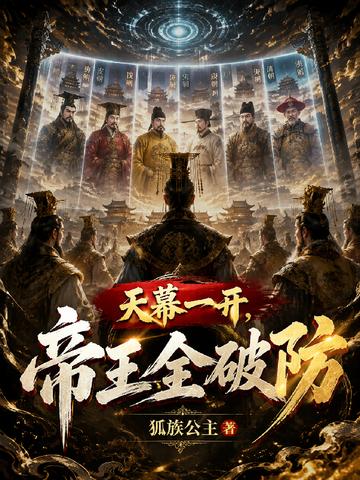
Lu Xingzhou, 30 years old, is an unemployed editor, his rent is due, and his bank card balance is only in double digits. On the night he was laid off from the company, a prompt popped up on his old computer: "The binding of the Tianmu system is completed, and the first video will be released in Huaxia Wanchao."
Thinking it was a virus, he casually cut out a piece of "Three things the First Emperor was most afraid of being mentioned". But after the video was released, a giant screen split over the Qin Palace, and the Xianyang court all raised their heads. Emperors from different eras such as Han Wu, Tang Zong, Song Zu, Ming Zu, etc. Also saw the same video in front of their respective palaces.
Lu Xingzhou soon discovered that the system did not provide money or soldiers, but only a "historical editing stage." The more accurately he cuts, the stronger the emperor's mood swings and the higher the reward. The ancients could also offer gold, silver, jade, scrolls, and fragments of secret edicts through the canopy. As a result, a modern low-level editor began to control the narrative power of Wan Dynasty by taking stock of the dark history of emperors.
But when he cut it, he discovered that the marquee was not simply playing history. Every time it was released, it forced the emperor to face old debts, and also pushed the truth of a dynasty that had been deliberately concealed in front of him.