A long historical novel set in the Zhenguan era of the early Tang Dynasty. An ordinary person from modern times was forced to put on Li Shimin's bloody clothes on the night of the Xuanwu Gate Incident. Starting from "acting as a wise king", he went through the forbearance of the Weishui Alliance, the difficult advancement of the Zhenguan New Deal, the blooming lights of thousands of families in the prosperous age, to Gaochang in Xiding and Tiele in Bei, and finally faced the wound of Xuanwu Gate alone that could never be healed with the body of a candle.
The whole book takes "system and people's hearts" as the hidden thread. Behind the grand changes such as the land equalization order, the imperial examination system, and the admonishment system, it writes deeply about the loneliness and fear of emperors and generals - Fang Xuanling's caution, Du Ruhui's determination, Wei Zheng's uprightness, Hou Junji's fall from loyalty and bravery to loss, and Li Chengqian's struggle in the dilemma between emperor and father. It does not write about the perfect emperor, but only about an ordinary person who was pushed to the pinnacle of power by fate, how to learn restraint in fear and hold the bottom line in restraint.
This is not a time-travel story about "defying fate and changing fate", but an epic about how to maintain the simple belief of "not letting those who deserve to live die" in the face of absolute power. What is recorded in history books is the chronology of emperors and generals, but what is recorded here is the two acres of land that was returned to the Huachi County woman, the bald brush used by the students of the Arithmetic School, and the rabbit lantern with half an ear missing in the Zhengdian Hall - they all together constitute a true Zhenguan.
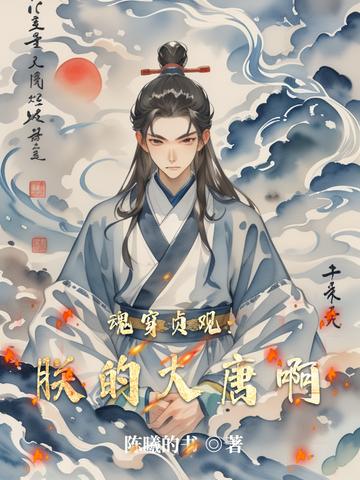
The author reads a lot and really loves history.