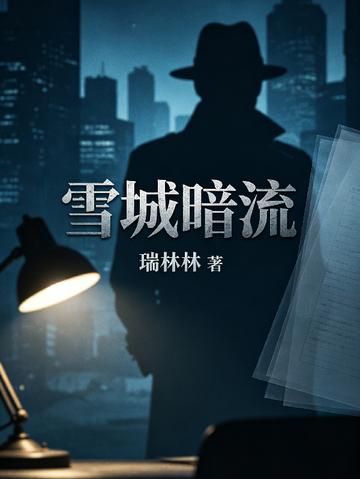
In 1941, the puppet state of Manchukuo’s “Snow City” lay on the Sino-Soviet border. Named for its year-round snow, it had become the Japanese army’s intelligence hub. There, the Chinese Communist Party agent “Birch,” embedded in the puppet Manchukuo police department, engages in an intense battle of wits with “Ghost Face,” the head of the Japanese military’s Special Higher Police. The biological warfare scenes offer a distinctive twist. Blue indigo grass serves as a vessel for memory and redemption. From the herbal fragrance of the dye house to the sea of flowers in the meadow, it witnesses every test subject’s rebirth from a number into a name. The winter crow, meanwhile, is a recurring spiritual symbol: its pattern on the homescoming cloth, its silhouette in the blue lantern, and its outline in the light and shadow of the soulwood all ultimately point to the theme of “returning to the nest.” Together, these motifs retain the warm texture of plant dyeing while echoing the story’s core: overcoming suffering and finally finding reunion. The eerie beginning and happy ending mirror one another. The plot is wildly imaginative and gripping. In truth, secrets lie beneath every inch of Snow City’s snow, and every snowfall may conceal a murder.