Ten years into the apocalypse, mutated creatures began dying off and retreating in large numbers, and all life gradually started to recover.
But the land had been severely polluted by volcanic ash, industry, and more. After conducting research, the government decided to introduce a land-allocation program.
As an esper, Su Wan was allocated 200,000 mu of land.
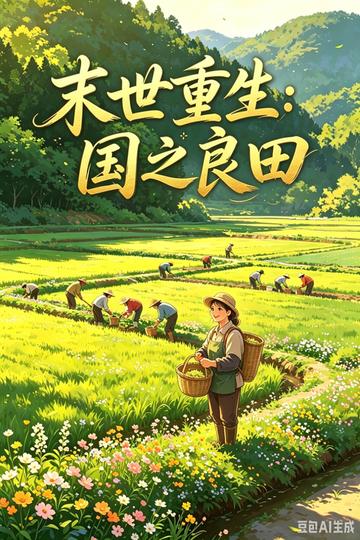
And so, she brought a stubborn little vine to a desolate stretch of scorched earth and began farming and reclaiming the wasteland.
Starting with a single tree, a row of vegetables, and a bowl of porridge, she cultivated the warmth of everyday life on the scorched earth, with three meals a day and the changing seasons.
From one person to four, then to a hundred and a thousand, she built a brand-new village and town that could sustain itself completely in the post-apocalyptic world.
This isn’t one person’s pastoral idyll. It’s about a group of people finding the feeling of being alive again amid the ruins.
A heartwarming story about land, food, and being reborn.






This book is good. Although there are no swords and swords of superpowers, it is well written. After the disaster, everyone works hard to survive, the hope for the earth, the pace of the old life, the ordinary life of ordinary people, step by step, the feeling of healing the trauma after the disaster, late There are very few scenes of Bao's superpowers. Xiao Lu's great achievements are currently in the auxiliary direction. Wan Bao and Xiao Lu are both good babies. The group portraits are the kind where everyone works together in one direction. Each time is better than the last. It should be considered a post-apocalyptic pastoral narrative style. Come on, tie the 88th chapter [sending heartfelt]
Slow and simple life
You can read it, the language is fluent and the narrative is clear.