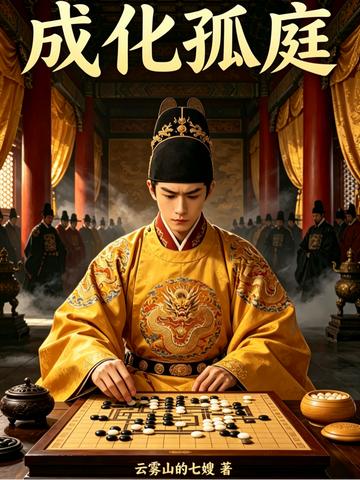
During the Chenghua period, the Ming Dynasty was peaceful on the surface, but in fact there were frequent border troubles and undercurrents in the DPRK. The young emperor Zhu Jianshen experienced great changes in the palace since he was a child. After ascending to the throne, he faced a complex empire intertwined with the interests of the eunuch system, civil servant groups and frontier troops.
This book is based on "History of the Ming Dynasty: Zhu Jianshen Biography" and the true history of the Chenghua Dynasty. It is recreated in a Machiavellian narrative style, abandons metaphysics and supernatural settings, and uses the operation of the system, the game of human nature and political choices as the core driving forces to present a real and tangible Ming Dynasty court.
The story revolves around the long-term struggle between the imperial power and the cabinet, the eunuch system, and military affairs in border towns. Through a series of major political events and character choices, it shows how Zhu Jianshen stabilized the court amid constraints, found a balance between compromise and countermeasures, and gradually promoted limited adjustments to the government's affairs.
The rhythm of the book is close to the logic of real politics, emphasizing details and cause and effect. It does not pursue the deification of individuals, but restores the real dilemma and growth path of an emperor as the center of the system.
This is a long historical Machiavellian novel about power structure, historical inertia and individual choices.