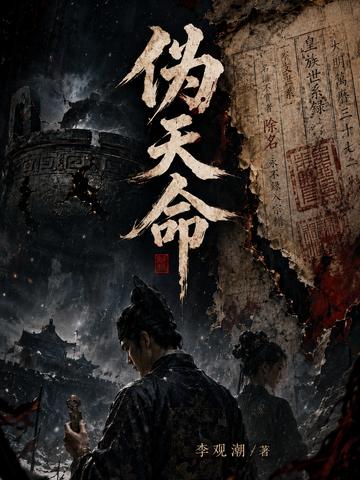
In the fifteenth year of Chongzhen's reign, the mountains and rivers were about to collapse, but the city of Nanjing still maintained its apparent stability amidst the sounds of hammers, account books, and firewood.
Nineteen-year-old Liu Bingheng is a young craftsman in Rencheng Zuoli. He repairs old knives, firecrackers and various mechanical parts, judging their origins by the wear marks on his hands, and distinguishing authenticity from minor deviations. In the world he was familiar with, whether something could be used and whether it should be delivered had to be seen with his own eyes and tried with his own hands. He could not complete it out of thin air, nor could he turn uncertainties into facts.
However, old utensils can be replaced, wooden signs can be rewritten, and accounts can be renamed; when the physical objects and records no longer match people's claims, the principles that an ordinary craftsman believes in begin to be tested.
This is a story about craftsmen, technology and responsibility. At the end of the Ming Dynasty, everyone was working, making money, and making a living in their own positions, and some were rewriting facts in the name of order. The so-called destiny may be nothing more than a saying that has been copied repeatedly; what truly cannot be forged are the traces left by artifacts and the choices made by one's own hands.