The first time he met Ying Zheng was in the main hall of Xianyang Palace.
The King of Qin asked him, “What can you offer me?”
He said, “An empire that will never collapse.”
And he delivered. He conquered the Six States, established the commandery and county system, built highways linking north and south, and filled the granaries of Guanzhong. Everyone said Lin Ce was the backbone of Great Qin.
But Ying Zheng wanted more.
“Sir, you once said, ‘Wherever the sun and moon shine is Qin land.’”
“Then conquer every place the sun and moon shine upon.”
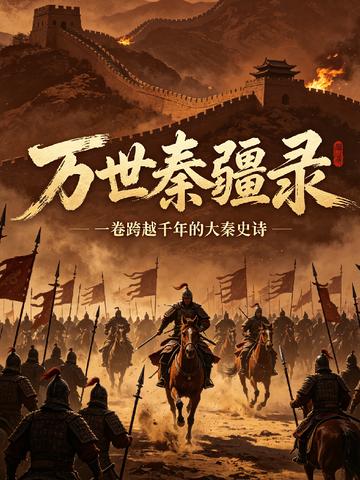
The empire’s war chariots rolled across the steppes, through the Western Regions and Central Asia, past the shadows of the pyramids, and all the way to the gates of Rome. Millions charged beneath the black banners, and tens of thousands of warships filled the four oceans.
But he never expected that, when he stood at the very top, suspicion would come first.
The words “too much merit to be tolerated by the ruler” have claimed more lives than any blade, from ancient times to the present.
“Your Majesty, do you want the world, or my life?”
The day he asked that question, he saw Ying Zheng’s eyes redden.
This was a Great Qin unlike any in history: two men spent twenty years extending the empire to the far ends of the Earth, then tested, wounded, and forgave each other on the battlefield of power and human hearts. In the end, they stood side by side atop the walls of Xianyang, watching envoys from all nations arrive beneath a sea of snapping banners.