Everyone called Yang Yizhi a reckless playboy, the most worthless spoiled young master in Shanghai.
The eldest legitimate grandson of Jiangnan's richest family, he had mastered internal force in his youth and learned Wudang martial arts, yet spent his days roaming Shanghai's pleasure quarters. He squandered money, indulged in wine and women, and was unbeatable at the gambling table. Everyone laughed that he craved wealth and luxury, had no love for his country, and would never shoulder responsibility in a time of chaos. But everyone had misjudged him.
In 1937, the Battle of Shanghai erupted. The land was shattered, and the nation faced calamity.
This scorned young heir resolutely abandoned his life of privilege, enrolled in the Central Aviation School, cast off his playboy facade, and took to the skies to fight to the death.
No one knew that he had spent years concealing his true self, with a blood feud buried deep in his heart: his senior sister had died at the hands of the Japanese. His lavish spending and reckless gambling had never been for pleasure. He was simply waiting for the chance to serve his country. From then on, the prodigal son donned his armor and soared like an eagle.
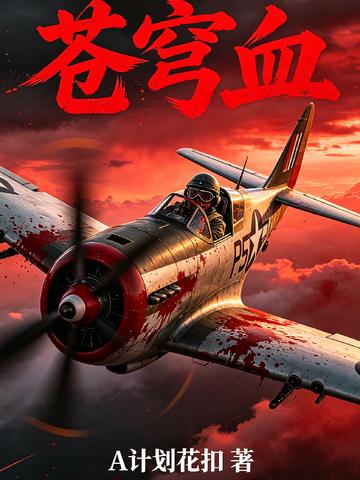
Yang Yizhi fought across the land, through the great battles of Shanghai, Nanjing, Wuhan, and Chongqing, and survived the perilous Hump air route. He faced the fearsome Zero fighters and repeatedly charged into enemy formations alone, taking on overwhelming numbers in bloody combat.
After eight years of war, he had shot down 106 enemy aircraft and risen to become China's leading fighter ace. The Japanese feared him and called him "Mad Eagle"; the entire air force respected him and called him Captain. In the summer of 1945, with victory within reach and only a month until Japan's surrender, his plane ran out of ammunition and reinforcements. In that desperate moment, Yang Yizhi resolutely piloted his aircraft into the enemy ranks, giving his life for his country in the skies.
He could have lived in comfort and fine clothes, surrounded by his wife and children, enjoying a lifetime of prosperity.
But with his country in mortal danger, even the heir of a wealthy family could bear a heart burning with patriotism.
A playboy of Shanghai's pleasure quarters, he shielded the skies with a heart full of blood and loyalty.
He did not live to see the dawn of a prosperous age, but with his life, he defended China's vast lands.


It looks good. I don't want it. Let's look at the introduction to the tragedy. Can I not want it to be a tragedy?