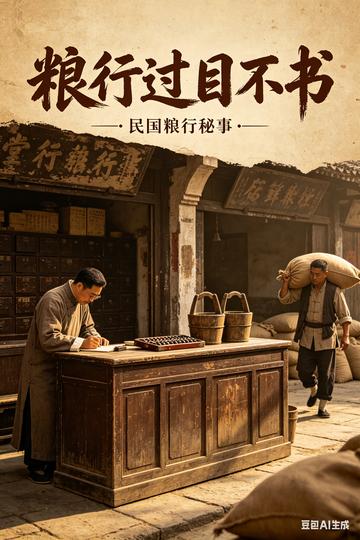
In the autumn of 1938, Wuhan fell. The Japanese army is approaching Changsha, and this thousand-year-old city has become a meat grinder for all forces. Shen Rui, manager of Changsha Demaochang Grain Store. No one knew that his abacus-wielding hands had drawn enemy firepower maps on the battlefield of the Northern Expedition; no one knew that he had a horrifying memory that he could never forget. Hetian Yingui, the head of the Japanese military secret service, went to Changsha in person, using his identity as a grain merchant as a cover, intending to control the Hunan-Milan transportation line and choke the supplies of the national army. Fang Yutang, the head of the Changsha Station of the Military Command, is in urgent need of inside information. Tao Dayou, the gang tycoon, wants to make a fortune in the country's financial crisis. Yang Bitao, an underground member of the Communist Party of China, is secretly contacted - all eyes are focused on De Maochang, who controls the lifeblood of the food source. Shen Rui greeted guests with a smile on her face, but she had three accounts in her mind: one for rice prices, one for information, and one for human lives. He wrote down the deployment of troops from Japanese military messages, read out the loopholes in the national army's defense from the secret military command letters, and spelled out the traitor network from the gang dock logs. Every transaction is a silent spy war, and every account may determine the life or death of thousands of people. When Hetian Yingui pointed his gun at Shen Rui's mother, and when the traitor's betrayal of the secret order was exposed, the only bargaining chip that a grain store owner could use to turn the tables was a brain with a photographic memory - and a dead end.