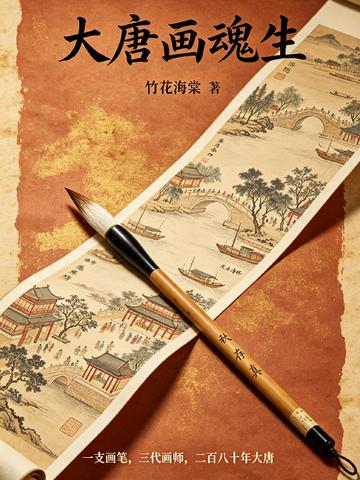
In the first year of Zhenguan in the Tang Dynasty, a "Painting Ban Order" was issued, which made it a crime to paint people. All the painters in Chang'an threw away their paintbrushes, but Gu Changning couldn't. The portraits he painted can reveal the deepest secrets of people's hearts: the shadows in the eyes of famous generals, the tiredness that dare not be revealed on the faces of veteran ministers, and the light in the heart of a blind old woman that lights up for her son who died in battle. People came to their homes and knelt down to beg for his portrait, and Wumiantang secretly hunted him down. He became the painter the court most wanted to kill and needed most.
Until that night, the leader of the Faceless Hall led people to block him in the alley, took the portrait he had just finished painting, looked at the face of the ordinary forbidden soldier in the painting, and whispered: "You painted... So damn like."
A brush, three generations of painters, two hundred and eighty years of the Tang Dynasty. Painting is both a skill and a sin. Soul is obsession, an existence that refuses to be erased. Life is the moment when everything revives under the tip of the pen. When the Anshi Rebellion broke out, the white-haired painter bit his fingertips on the top of Mang Mountain and used the blood as ink to leave the final painting for the city.