I, Yang Yinzhou, am the last lazy dog of the Waxiang people. He just wanted to let the cows rotten by the Yuanshui River, but he was slapped awake by his mother-in-law, and walked forward by the Miao girl A Yin with a poisonous worm. The stupid monk Shang Huiming rolled his eyes because he stepped on cow excrement.
The dragon boat at the bottom of the river is urging people to die, the stone door of the underground palace is cracked, and the resentful souls of thousands of years are ready to move.
My only trump card is an ancient Waxiang language that outsiders cannot understand - a living fossil of ancient Chinese. There are no words to test, no words but no words. Use it to recite the Chenzhou Talisman, and even the ghosts will listen; use it to chat with the ancestors at the bottom of the river, and it will be smoother than talking to a living person. From being forced to go into the water to seal the dragon's veins, to being responsible for the life and death of the entire Wuxi Basin, I was pushed, tricked, and slithered by cow dung all the way.
It wasn't until my nephew Nian Xi stood at the ferry and shouted the first sentence of Waxiang dialect to the bottom of the river in the same retroflex tone as his great-grandfather that I understood that the river would never dry if the words continued. The ancestors have been racing dragon boats on the bottom of the river for hundreds of years, waiting for this sound.
Reader comments
It's not about curiosity, it's about inheritance
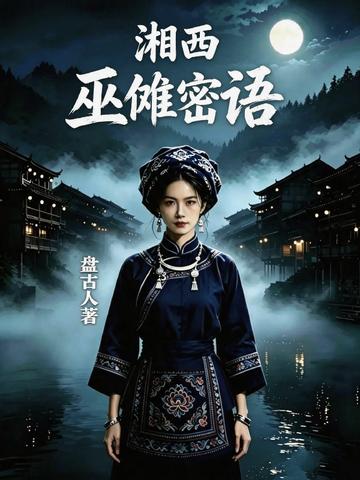
The stilted buildings, morning mist over Youshui River, and bacon and pickled vegetables in the book are all real.
Waxiang dialect is a living fossil from ancient times. Many secret customs, Nuo sacrifices, and ancestral stories are still passed down orally from generation to generation only by the elderly in our village. I don't make up stories, I only write about the secrets of Wa Township that are hidden deep in the mountains of western Hunan and cannot be heard or understood by outsiders.
This book is the memory I wrote for my ethnic group as a descendant of Wa Township. Language is the key and story is the ferry. Thank you all for coming with me to witness.
It's not about curiosity, it's about inheritance The stilted buildings, morning mist over Youshui River, and bacon and pickled vegetables in the book are all real. Waxiang dialect is a living fossil from ancient times. Many secret customs, Nuo sacrifices, and ancestral stories are still passed down orally from generation to generation only by the elderly in our village. I don't make up stories, I only write about the secrets of Wa Township that are hidden deep in the mountains of western Hunan and cannot be heard or understood by outsiders. This book is the memory I wrote for my ethnic group as a descendant of Wa Township. Language is the key and story is the ferry. Thank you all for coming with me to witness.