Potsdam, 1939.
Heinrich Kraft, twenty years old, son of a post office clerk.
He volunteered for the military, not for the Führer, not for the Reich.
Only because, three years earlier, he had heard the roar of a Junkers engine at an air show.
He became a Stuka dive-bomber pilot.
In the rear seat sat Walter Brenner, from Munich, with perpetually messy hair and a crooked grin that showed his canine teeth.
Together, they flew over the wheat fields of France, through the fog of the English Channel, and finally plunged into Russia’s endless forests and mud.
Summer in Minsk. The fires of Smolensk. The encirclement at Kyiv. Snow before the gates of Moscow.
They dropped bombs. They dodged antiaircraft fire. They watched the planes flying beside them take hits and spiral toward the ground, trailing black smoke.
In their diary, they wrote: Three sorties again today. Brenner’s machine gun jammed twice.
They were not aces.
They were not heroes.
They were just two young men who wanted to survive.
This is not a story about victory.
It is a story about diving, G-forces, and the Trumpets of Jericho.
About four hundred sorties, and four million square kilometers of Russian land.
About how two young men made their way from the summer of 1939 to the spring of 1945.
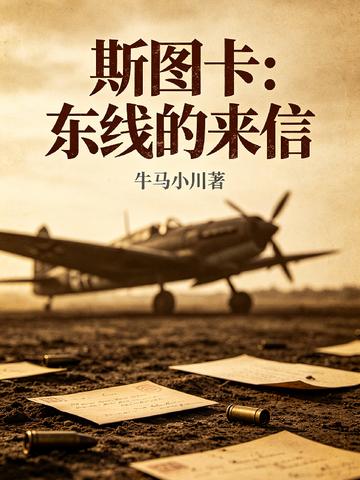




Rather than telling a period of history, this book is more about expressing reflection on a war, concern for humanity, and yearning for peace... This book does not have a false and empty tone. It just uses an almost calm and objective style to write about the helplessness and struggle of a group of people in the war. It does not glorify the war. It just tells a story quietly from the perspective of a participant, which is suitable for reading as material for reflection on the war.
This book is recommended to people who are struggling with hunger, poverty and despair!
It can be said by wise people, but it is difficult for ordinary people to explain it!