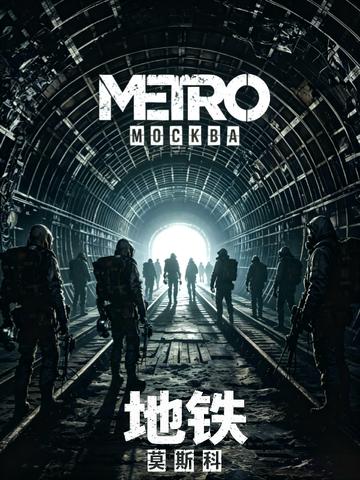
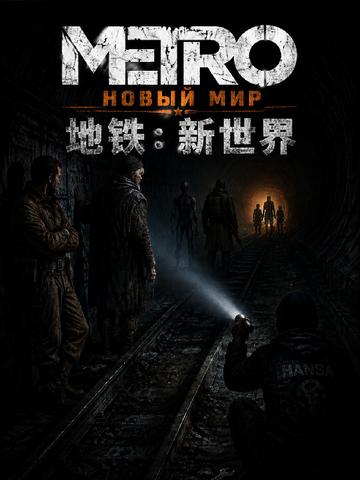
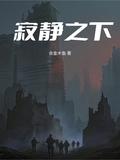
(Completed) The twentieth year after the nuclear war. Moscow. The surface is a kingdom of radiation; the Metro is humanity’s last grave.
Forty thousand people huddle in underground tunnels, forming factions in the darkness, fighting over air, and trading bullets. The hammer and sickle still fly over the Red Line. The Fourth Reich’s R insignia spreads across the tunnel walls. Hansa merchants use gas masks as currency, while Polis sits at the crossroads of every faction, maintaining a fragile balance.
Above all these factions stands a force numbering fewer than a hundred.
They call themselves the Spartan Rangers. They have only one motto: “Who else but us?”
They swear allegiance to no faction and are responsible only for the survival of the Metro itself. They carry the best guns, fight the toughest battles, and die in the deepest underground. No one remembers their names, because their names were replaced long ago by serial numbers, stitched onto their left sleeves in red thread, with their blood types marked beside them.
Not to make transfusions easier. It’s so that when they die, the people who collect their bodies won’t have to search their pockets.
This book has no fixed protagonist.
A young recruit who has inherited a “problem number” is answering a question through his actions: Are the Rangers’ numbers tombstones or vows? A scarred veteran teaches a recruit one last lesson in the dark tunnels: not how to kill, but how to keep walking after killing. An armory keeper responsible for issuing equipment bears witness to every number disappearing and being passed on.



It's very real. I haven't finished it yet. I feel attracted after reading the first few chapters.