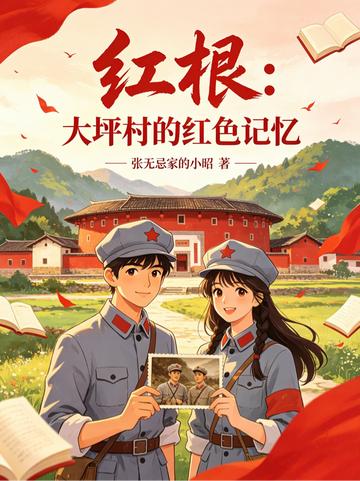
In January 1928, a team appeared on the stone road in Daping Village.
The leading officer is named Zhu De.
Yang Tianyou knew that his life would change from now on.
His younger brother Yang Tianci also knew that this family would no longer be peaceful.
That year, Li Suzhen cleaned the wounds of the wounded at the hot spring.
That year, there was blood in front of Wenkui Tower.
That year, the lives of dozens of wounded Red Army soldiers were hidden in caves in the back mountains.
Three years later, a bigger test came.
In 1931, the Seventh Red Army fought a bloody battle against Meihua, and wounded people poured into the village like a tide.
Every home is a hospital, and everyone is a caregiver.
Villagers use rice wine and medicinal herbs to snatch people from the hands of death.
And for this, he paid the price in blood.
Forty years later, Yang Tianyou's granddaughter Yang Hongying taught in a village primary school, teaching three grades by herself.
Another forty years later, Yang Tianyou's great-grandson Yang Zhiyuan quit his job in Shenzhen and returned to the village to grow tea.
People in the village said that the child was crazy.
Jerry Yang said: "My grandfather said that the root cannot be broken."
From the "new study room" where Zhu De lived, to the cave where the Seventh Red Army recuperated.
From the land reform field to the train going south to work.
From the loneliness of hollow villages to the clarion call for rural revitalization.
This is a century-old history of a village and a microcosm of a country.
Four generations, one village, one hundred years of faith.
The light of the red star never goes away, it just grows into new roots