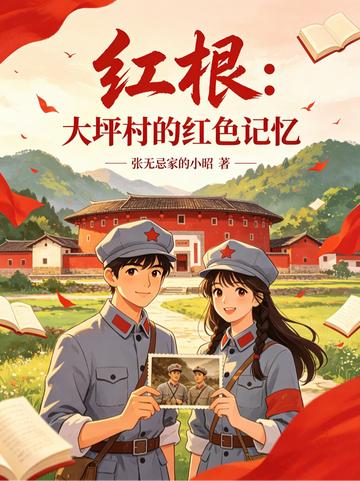
In January 1928, a troop appeared on the stone path through Daping Village.
The officer at its head was named Zhu De.
Yang Tianyou knew his life would never be the same.
His younger brother, Yang Tianci, knew their family would never know peace again.
That year, Li Suzhen washed the wounds of the injured beside the hot springs.
That year, blood was spilled in front of Wenkui Tower.
That year, a cave in the hills behind the village sheltered the lives of dozens of wounded Red Army soldiers.
Three years later, an even greater trial arrived.
In 1931, the Seventh Red Army fought a bloody battle at Meihua, and the wounded poured into the village like a tide.
Every home became a hospital, and everyone became a caregiver.
The villagers used rice wine and medicinal herbs to wrest the injured from death’s grasp.
They paid dearly for it in blood.
Forty years later, Yang Tianyou’s granddaughter, Yang Hongying, taught at the village primary school, teaching three grades by herself.
Another forty years passed. Yang Tianyou’s great-grandson, Yang Zhiyuan, quit his job in Shenzhen and returned to the village to grow tea.
The villagers said the boy had gone crazy.
Yang Zhiyuan said, “My grandfather used to say, our roots must never be severed.”
From the “New Study” where Zhu De once stayed to the cave where the Seventh Red Army recuperated.
From the ridges between fields during land reform to the trains carrying workers south in search of jobs.
From the desolation of a hollowed-out village to the call of rural revitalization.
This is the century-long history of a village, and a microcosm of a nation.
Four generations, one village, a century of faith.
The light of the red star has never faded. It has simply grown into new roots.