Cold-blooded male protagonist x ancient romance x sweet pet x revenge x sadomasochism x palace intrigue
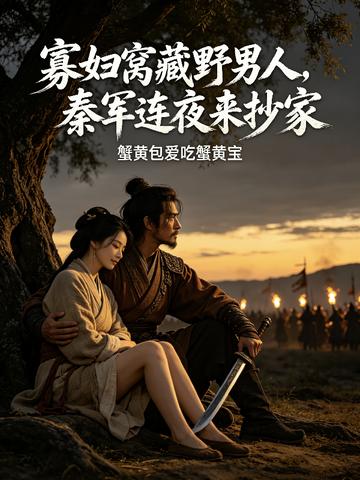
She had been married for five years and suffered for five years without even daring to cry.
That night, she found a man covered in blood in the cellar of her home.
She wanted to pretend she didn't see it, but the hand holding her wrist was cold and covered in blood scabs, but the force was so light that it seemed like she was afraid of breaking something.
For the first time in her life, someone saw her as a human being.
Just for this, she risked her life.
Later someone asked her: "Aren't you afraid?"
She said: "I was afraid. But he taught me how to use a knife to protect others, and I learned to live on my feet."
——As for who this man is, what happened to the man she hid in the end?
You guess.
Reader comments
There is no absolute protagonist in the novel. Everyone who appears has scars that cannot be washed away. Ah Heng is a widow whose daughter was beaten to death by her husband. Nie Zheng is the remnant of Yan Yu who was hunted down by the court and wiped out by the entire army. Er Ya is a girl who was hung from the beam by her father to be sold to a butcher. Ying Yao is a clan girl who was used as a bargaining chip by her father and imprisoned for three years. There is also Stone with missing ears, Qiniang with scars on her face, Aunt Li who had her teeth pulled out, and the deaf-mute girl who can't speak... They are not righteous people, they are just a group of "people with nowhere to go."
Yan Yu has never been a martial arts sect, but a shelter for these homeless people. People here don't need to tell their real names or talk about their past. As long as they can pick up a knife and work, they can have a meal. Their knives are not used to kill people, but to "no longer be killed". Shitou died blocking the arrow for Erya, so Erya carried his knife with him for seven years; Aunt Li died fending off their pursuers, and Erya braided her white hair into his own braid; after Nie Nian'an died, Nie Yao put five knives on her waist, one for the master, one for Nie Zheng, one for Nian'an, one for Erya, and one for herself.
The most touching moments are never the moments of revenge, but the tiny, living moments: Ah Heng serves a bowl of porridge to Nie Zheng every day, even if he is no longer here; Nie Nianan traveled half of the town to buy an unbroken piece of sweet-scented osmanthus for Ying Yao. Erya taught Ying Yao how to twist the hemp rope step by step and said, "If you rub it tightly, it will not be blown away by the wind."
At the end of the novel, almost all the protagonists are dead. Nie Zheng is dead, Nie Nian'an is dead, Erya is dead, Ying Yao is dead, and Ah Heng is dead. In the end, only Nian Nian was left, a little girl who had not yet grown up, with three knives on her waist and a wooden knife tied behind her. On the wooden knife were hanging grasshoppers, sugar figures, broken hairpins, copper coins, whetstones... More than a dozen things, each of which represented a dead person.
She did not stay in Guiyun Valley, but walked into the wind and snow. Someone asked her where she was from, and she only said three words: "Guiyun Valley."
No one knows where Guiyun Valley is, and no one knows what Guiyun Valley is. But we all know that Guiyun Valley has never been a specific valley, but the spiritual home of all survivors. It's the hemp rope that Ah Heng twisted, the Heng grass hairpin that Nie Zheng carved, the straw bracelet that Er Ya made, and the sweet-scented osmanthus cake that Nie Nian'an bought. It's how the dead live in the hearts of the living.
The most precious thing about this novel is that it reveals the dignity of ordinary people in troubled times. They didn't change history, they didn't overthrow the dynasty, they didn't even take revenge. But they tried their best to protect their families, their names, and the bottom line that "people" should have. They are the dust of history, but their "preservation" gives the dust a huge weight.
The knife will break and the person will die, but Guiyun Valley will always be there. As long as there is one person walking forward with those knives and those memories, Yan Yu will not be separated, and the family will not be separated.
There is no absolute protagonist in the novel. Everyone who appears has scars that cannot be washed away. Ah Heng is a widow whose daughter was beaten to death by her husband. Nie Zheng is the remnant of Yan Yu who was hunted down by the court and wiped out by the entire army. Er Ya is a girl who was hung from the beam by her father to be sold to a butcher. Ying Yao is a clan girl who was used as a bargaining chip by her father and imprisoned for three years. There is also Stone with missing ears, Qiniang with scars on her face, Aunt Li who had her teeth pulled out, and the deaf-mute girl who can't speak... They are not righteous people, they are just a group of "people with nowhere to go." Yan Yu has never been a martial arts sect, but a shelter for these homeless people. People here don't need to tell their real names or talk about their past. As long as they can pick up a knife and work, they can have a meal. Their knives are not used to kill people, but to "no longer be killed". Shitou died blocking the arrow for Erya, so Erya carried his knife with him for seven years; Aunt Li died fending off their pursuers, and Erya braided her white hair into his own braid; after Nie Nian'an died, Nie Yao put five knives on her waist, one for the master, one for Nie Zheng, one for Nian'an, one for Erya, and one for herself. The most touching moments are never the moments of revenge, but the tiny, living moments: Ah Heng serves a bowl of porridge to Nie Zheng every day, even if he is no longer here; Nie Nianan traveled half of the town to buy an unbroken piece of sweet-scented osmanthus for Ying Yao. Erya taught Ying Yao how to twist the hemp rope step by step and said, "If you rub it tightly, it will not be blown away by the wind." At the end of the novel, almost all the protagonists are dead. Nie Zheng is dead, Nie Nian'an is dead, Erya is dead, Ying Yao is dead, and Ah Heng is dead. In the end, only Nian Nian was left, a little girl who had not yet grown up, with three knives on her waist and a wooden knife tied behind her. On the wooden knife were hanging grasshoppers, sugar figures, broken hairpins, copper coins, whetstones... More than a dozen things, each of which represented a dead person. She did not stay in Guiyun Valley, but walked into the wind and snow. Someone asked her where she was from, and she only said three words: "Guiyun Valley." No one knows where Guiyun Valley is, and no one knows what Guiyun Valley is. But we all know that Guiyun Valley has never been a specific valley, but the spiritual home of all survivors. It's the hemp rope that Ah Heng twisted, the Heng grass hairpin that Nie Zheng carved, the straw bracelet that Er Ya made, and the sweet-scented osmanthus cake that Nie Nian'an bought. It's how the dead live in the hearts of the living. The most precious thing about this novel is that it reveals the dignity of ordinary people in troubled times. They didn't change history, they didn't overthrow the dynasty, they didn't even take revenge. But they tried their best to protect their families, their names, and the bottom line that "people" should have. They are the dust of history, but their "preservation" gives the dust a huge weight. The knife will break and the person will die, but Guiyun Valley will always be there. As long as there is one person walking forward with those knives and those memories, Yan Yu will not be separated, and the family will not be separated.