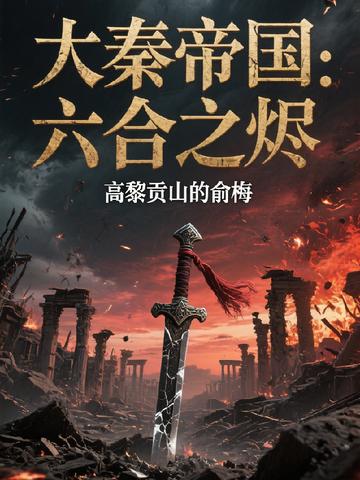
When a young man ascended the throne, the lingering sound of the Six Kingdoms' unification was still echoing outside Hangu Pass. He spent twenty-five years painting the map of the world in the same color.
Books share the same text, cars share the same track, and weights and measures are unified. He thought this was the end, so he built the Great Wall, built straight roads, burned the words of hundreds of families, and wanted to carve the word "eternal" into the stone. But he forgot - the cornerstone of the empire is not copper and iron, but bones.
Fifteen years later, on a rainy night in Daze Township, a group of garrison soldiers shouted, "Princes, generals, prime ministers, and prime ministers, Ning has the right kind." Xianyang Palace was burned for three months, and the First Emperor's eternal dream was reduced to ashes.
But these ashes did not cool down. Two thousand years later, people discovered that everything burned by the Qin Dynasty eventually became the foundation of China.
1.2 Million words, written from King Qin Zhaoxiang in his twilight years after the Changping War to the old woman Qin Opera in the ruins of Xianyang. This is the story of the Six Kingdoms being reduced to ashes, and also the story of their rise from the ashes.