In the late Qing Dynasty, there were internal and external troubles, and the trade routes were like battlefields. The dumping of foreign goods, the exploitation of gold, the undercurrent of ticket numbers, old profits from salt and tea, foreign capital and government and business forces jointly weave a huge and ruthless web of interests.
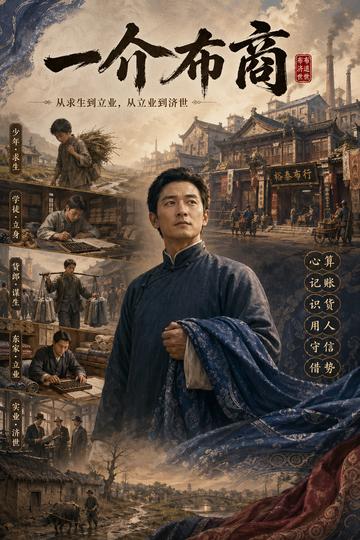
Song Jianbang, a poor young man from the countryside of Jianghuai, initially just wanted to survive in troubled times. He started out as an apprentice in a grain shop, relying on his mental arithmetic skills, his eye for goods, and his stubbornness not to break trust, he carried loads from village to village, sold cloth as a merchant, traveled across the Yangtze River, Huaihe River, Jiangnan, and treaty ports, and fought his way through layers of exploitation and competition in the market.
From a peddler to a business owner, and from a business owner to the helmsman of a cross-provincial business, he has seen the cold shoulder of the officialdom, the strife between business gangs, and the lowering of prices by foreign companies. He has also seen the displacement of victims, the decline of industries, and the decline of national fortunes. When his personal business collides head-on with the hardships of the times, he will eventually understand: the true business path lies not only in the abacus, but also in the heart of the people and the country.
A cloth merchant, half his life was full of hardships. Seeking survival, establishing a career, and helping the world are all part of a game of chess in troubled times.
Sounds okay so far.