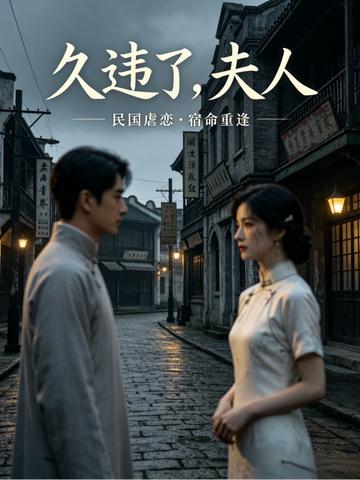
In the twenty-sixth year of the Republic of China, at a wedding at the Shen Mansion in the French Concession in Shanghai, wealthy young man Shen Zui ran away from marriage for love, leaving his bride Jiang Shubai alone to face family turmoil and troubled times. The decisive separation on the wedding night pushed the two people into the abyss of completely different fates. Shen Zui rushed to the elopement appointment with his lover, but saw his beloved die tragically during the war and exile. From then on, he fell into depravity, became addicted to opium, and became a duckweed in troubled times. He even strayed into a bandit's den, living in sin and numbness. And Jiang Shubai, who was forced to support the dilapidated Shen family from a gentle lady, dealt with various forces for survival, sold information on the tip of a knife, made deals with the devil, traded dignity and bottom line for the family's vitality, and fell into the quagmire of darkness step by step. In the raging war, the two experienced exile, separation, sinking and struggle, and were scarred by hunger, war, and the test of human nature. Shen Zui awakened from the battlefield and suffering, abandoned darkness and turned to the light to pursue new life; Jiang Shubai held on to the last glimmer of light in a desperate situation, waiting for redemption in the darkness. When the smoke cleared, the gears of fate met again, and the former strangers reunited at the ferry crossing. Past love and hate, shame, redemption and regret are intertwined. In a broken era, they face sin and pain, look for the glimmer of humanity and the possibility of rebirth in troubled times, and compose a tragic song about love, sinking, redemption and perseverance in the troubled times of the Republic of China.