A Masterpiece of Urban Daily Life, a Realistic Classic of Officialdom, Good at Portraying the Weaknesses of Human Nature!
I want to read content similar to "The Road to Official Career at the Grassroots Level is Confused". It is a masterpiece of urban daily life and a classic of officialdom realism. It is good at depicting the weaknesses of human nature and social reality. I have benefited a lot from reading it.
18.5kViews214Books7dUpdated


The writing is exquisite, the narrative is smooth, the characters are full, the details are particularly exciting, the plot is gripping, the novel has suspense, foreshadowing, feelings, a unique perspective, and the understanding of tea is realistic! A great piece of work!
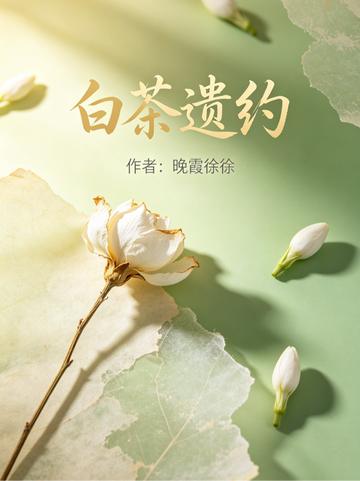
On the surface, "The Testament of White Tea" is a healing story about "looking for tea for a terminally ill person", but at its core, it is restrained and profound. The protagonist Xu Nian walked into Daxi Village with a diagnosis of advanced lung cancer. The author did not give him a bowl of magical tea that could reverse his destiny, but gave him a chance to "find the root" - "It's not that tea can cure the disease, but that he finally found the root." Three generations, the same 1900-year-old tea tree, and the same hereditary disease form a fateful narrative chain. My grandfather came from Shanghai and spent twenty-two years reviving the dying tea tree; his father left at the eve of spring; Xu Nian returned with his last wish. Disease is not an object to be cured here, but a metaphor for intergenerational connection: when the end is known, how do you choose to spend the rest of your time? The suspense density of the work is not low (burnt notes, fake tea sellers, misunderstandings by Chen family descendants), but the language is as delicate as white tea soup, striking a balance between "slow pace" and "a sense of chasing drama". It is a little regrettable that if the setting of "three generations share the same disease" is dealt with, it will easily fall into a rut, and if the suspense line takes over the main role, it may dilute the theme. Overall, this is an atypical novel that requires readers to calm down and be worth reading carefully.
The in-depth and good writing is narrated in a calm, soothing and straightforward way, like a glass of ice water in summer, which gradually calms the impetuous heart. Listen quietly and savor it carefully. It is highly literary and artistic and worth recommending. Every time I read this work, I will calm down my impetuous heart and savor it carefully. After reading it for the second time, I can still indulge in it, but the updates are a bit slow. [Cover face][cover face][cover face][cover face]
This is a novel about tea culture. A story about a three-generation tea family, a contract that three generations guarded with their lives. The story is touching, the language is simple, it has a sense of life, and it is close to reality. It is worth reading and will be updated later!
It's really beautiful. It's my favorite type. The whole book is smooth and every chapter has new highlights. The writing style is also very delicate and smooth. The characters are full-bodied and flesh-and-blood. It gives you an immersive experience of watching the drama. I recommend it.
The fish in Longshou White Tea reminds me of the story of Daxi Village, where I received a brain cancer diagnosis at the age of 28. That day I thought of the tearoom promise I made when I was eight years old. Just the contrast of bumping into the Old Testament at the end of my life was wrapped in tenderness and sadness full of regret. In addition, the writing style is as thin as tea teeth, and the narrative is full of warmth that cannot be hidden. The more I read it, the more I feel like I have followed the story to the factory and waited for 20 years of tea. It must be locked up with five stars.
The rhythm is comfortable, the characters are vivid, and the foreshadowing and details are hidden with great care. As you follow along, you will be brought into the story without realizing it. The obsession of three generations and the secrets hidden in tea are endlessly memorable.
This article is very wonderfully written. The author uses a very delicate and affectionate writing style to show the mutual growth and mutual success of people and Laocha through beautiful flower scrolls. It is very wonderful and very warm. Well worth reading.
A very wonderful novel, with a long-lasting fragrance of tea, sincere and moving, delicate writing style, full of tension, suspense and foreshadowing, and a full sense of substitution. It uses tea to write about people, and it has both literary quality and life philosophy! It's worth reading carefully and support it!
A story about the inheritance of white tea, with delicate writing, vivid twists and turns, sincere emotions, thought-provoking and unforgettable stories. Tea culture is worth learning, adhering to, and reading carefully!
Tea ceremony, tea art, tea inheritance! It's a very difficult book to describe. It tells stories as well as life. It's very touching and goes deep into the soul. The more you read it, the better it becomes. The writing style is also very good. You can tell at a glance that the author has put a lot of effort into it. He is very attentive. Please support it!
I was amazed by the story of the novel. The author narrated the story of tea inheritance among three generations. It is fresh and refined, and has ups and downs. It is a breath of fresh air from many novels. The author's writing skills are very solid.
A very fresh and elegant book, full of the fragrance of tea from the mountains of northern Fujian! Through the story, the inheritance and mission of Chinese tea art are explained, and the philosophy of protecting the unique tea ceremony is explained! It's very exciting and worth reading! [Praise]
The characters are vivid and three-dimensional, and the protagonist's personality is very likeable. There is a profound literary heritage hidden in the words. It was very healing after reading it.
"The Last Wish of White Tea" begins with the protagonist Xu Nian in the late stage of lung cancer. With his grandfather's last wish, he goes into the mountains of northern Fujian and forms an indissoluble bond with tea. The obsessive protection of the inheritance of three generations of the Xu family, the collision of grudges between two bamboo spoons engraved with "Tea Waiting", and the shrinkage and improvement of Xu Nian's lesions are slowly revealed in the author's writing. The world is full of fireworks, which is soul-stirring and thought-provoking. Tea can soothe the mind, calm down desires, and sharpen the mind. It has always been a favorite among gentlemen. The author's thousand-year tea spirit runs through the entire text, revealing his deep love for tea and his unique insights into tea culture. In the sunset time, go and taste the strong fragrance of tea between the lines, looking for the long history of China's thousand-year tea culture, so it is extremely comfortable and happy [laugh][laugh][laugh] A good article with strong smoke and fire [flying kiss] five-star lock [love] [love] [love] [love] [love] highly recommended [like] [like] [like]
The writing is smooth and the characters are full-bodied. You can experience the warmth in ordinary life and taste the touching stories in the vivid story. The rich atmosphere is just like the tea frequently mentioned in the article, which makes people remember it for a long time and taste it repeatedly. A very good book, highly recommended!
This is a novel about tea culture. A story about three generations of a tea family, the story is touching, the language is simple, the writing is fine, the narrative is smooth, the characters are full, the details are particularly exciting, the plot is gripping, the novel has suspense, foreshadowing, feelings, a unique perspective, and the understanding of tea is realistic! A great work!
It tells the story of Xu Nian, a 28-year-old tea appraiser. The author's writing style is as concise as a newly baked silver needle, with a sense of breathing and not sluggishness; the rhythm is relaxed and moderate, the moonlight flows in quiet places, and the corners of clothes fly in dynamic places, which is both literary and readable. The plot is very exciting and worth following. (♡´∀`♡)
A unique book about humanities, tea art and inheritance! Full of local flavor, don't forget the fresh noodles, it will take you to appreciate the distant mountains and rivers, and the unique style of the motherland's tea culture! The more I watch, the more I like it! Support it!
A delicate novel, reading it is like drinking tea, with a long aftertaste!
The story of "The Testament of White Tea" has a hint of fireworks and the weight of time. It is narrated in series with white tea and family secrets, and the writing style is gentle and delicate. The author slowly unfolds nostalgia, inheritance, and a sense of destiny. There is no deliberate drama, but it can make people feel the warmth of roots while reading. It is a work worth reading quietly.
The words are gentle and powerful, and there are profound human fireworks hidden in ordinary daily life. The author uses delicate brushstrokes to describe the joys and sorrows of the characters. The plot is not deliberately sensational, but every word is heartbreaking, and the mood rises and falls with the characters. Very well written and highly recommended.
The most touching thing about "The Last Testament of Longshou White Tea: Daxi Village" is never the fairy tale that "tea can cure diseases", but the gentle redemption of "finding the root". Xu Nian, who was in the late stage of lung cancer, walked into the mountains of northern Fujian with his grandfather's last words. He originally had a vague idea of survival, but in the fragrance of the century-old tea tree, he came across a promise that three generations of people had guarded with their lives - his grandfather spent 22 years to save the dying ancient tea tree and use the opportunity to The rationality and perseverance of the mechanical engineer turned the temperature from Shanghai into the fireworks of Daxi Village; and sixty-five years ago, another person used his own departure in exchange for the stay of the Xu family. Two bamboo spoons engraved with "Serving Tea" are the tacit understanding and regret of the two families spanning half a century. Burnt notes, a hundred-year-old teakeeper, three generations of the same disease... Every foreshadowing is like the sweetness at the bottom of the tea, slowly spreading, turning the suspense into a touching fate. Xu Nian's process of learning how to make tea is also a process of reconciliation with his fate. Behind the shrinkage of the lesions is that his soul that has been wandering for half his life has finally taken root, and that the obsession of three generations has finally echoed in him. This story is about tea, about mystery, and about the word "inheritance" that the Chinese people have carved in their bones and blood. It does not contain vigorous love and hate, but uses the temperature of a bowl of tea to soak the fetters of family, the weight of time, and the silent protection between people into the tea soup. One sip is both bitter and sweet, and it makes people feel warm after reading it, and the power that belongs to their hometown and roots. The most touching thing about this novel has never been the fairy tale of "tea can cure diseases", but the gentle redemption of "finding the root". Xu Nian, who was in the late stage of lung cancer, walked into the mountains of northern Fujian with his grandfather's last words. He originally had a vague idea of survival, but in the fragrance of the century-old tea tree, he came across a promise that three generations of people had guarded with their lives - his grandfather spent 22 years to save the dying ancient tea tree and use the opportunity to The rationality and perseverance of the mechanical engineer turned the temperature from Shanghai into the fireworks of Daxi Village; and sixty-five years ago, another person used his own departure in exchange for the stay of the Xu family. Two bamboo spoons engraved with "Serving Tea" are the tacit understanding and regret of the two families spanning half a century. Burnt notes, a hundred-year-old teakeeper, three generations of the same disease... Every foreshadowing is like the sweetness at the bottom of the tea, slowly spreading, turning the suspense into a touching fate. Xu Nian's process of learning how to make tea is also a process of reconciliation with his fate. Behind the shrinkage of the lesions is that his soul that has been wandering for half his life has finally taken root, and that the obsession of three generations has finally echoed in him. This story is about tea, about mystery, and about the word "inheritance" that the Chinese people have carved in their bones and blood. It does not contain vigorous love and hate, but uses the temperature of a bowl of tea to soak the fetters of family, the weight of time, and the silent protection between people into the tea soup. One sip is both bitter and sweet, and it makes people feel warm after reading it, and the power that belongs to their hometown and roots.
The whole story uses white tea as an introduction. The protagonist Xu Nian takes his grandfather's last words to find a person named Guiyue Grandma. The story is very imaginative and highly recommended. The story concept is unique, please read the novel for more exciting stories.
It is a masterpiece worth reading carefully. The author describes the transformation of the characters very delicately. Reading it is like tasting a cup of fine tea, which nourishes the soul, makes people calm and understand life, and cannot be separated from the story for a long time!
Nice. The work uses a wisp of white tea fragrance to connect the fate of three generations and the warmth of their hometown. Xu Nian, a 28-year-old tea appraiser who suffers from advanced lung cancer, follows his grandfather's last words and goes to Daxi Village in northern Fujian to uncover the secrets of tea that have been buried for 65 years. The story is gentle and profound. The book uses a century-old tea tree as a clue to outline the perseverance of two generations of ancestors across the years: Mr. Xu Nian traveled from Shanghai to the mountains, spent 22 years to save the dying ancient tea, and guarded a tea vein with the perseverance of craftsmen; the agreement of three generations to serve tea, the bamboo spoon engraved with "Serving Tea", and the old white tea that has been preserved for half a century, every old thing is full of the weight of time. The story is not only about tea culture, but also contains a healing core. Xu Nian made tea to recuperate his illness, and the lesions gradually disappeared. It was never because of the miraculous effects of white tea, but because a man who had been wandering for half his life finally found the root of his bloodline. At the same time, the dusty past of the Chen and Xu families and the turmoil caused by counterfeit tea merchants add suspense to the warm story. The text is wrapped in the warmth of mountain tea, and a cup of white tea tells the story of inheritance, reconciliation and return. The plain narrative is full of touching power. I believe that this work will receive high scores and give it five-star praise. I look forward to more exciting follow-up works and add them to my bookshelf to read.
The circle of friends said that this book is a classic and very beautiful, so I came to read it. I couldn't stop reading it. The description is exquisite and the plot setting is excellent. I couldn't stop reading it. The context is long and long, the foreshadowing is deep, the characters' lives are ups and downs, and the narrative is full of ancient charm. The reading is fascinating and fascinating. The whole article is based on Fujian white tea, tying together three generations of personnel, half-life journeys and fateful ties. The writing style is as clear and smooth as brewed dragon head white tea, with a subtle elegance. The protagonist, who was suffering from serious illness, went to the mountains to search for the teachings left by his ancestors. Instead of relying on spiritual tea to cure his illness, he found spiritual refuge and set out to transcend the ordinary healing theme. The story contains hidden clues such as fragments of secret records and misunderstandings from generation to generation. The suspense is well laid out and the slow narration has undercurrents. Genetic disease is used as a metaphor for blood ties, and ancient tea trees are used to carry the friendship of the years, with gentle human kindness and a long history. Although there are slight traces of carving in individual settings, it does not hinder the overall elegance and long-lasting charm. Only by reading it calmly can you realize the tenderness of the years hidden in the words and the tea covenant that has been adhered to from generation to generation. It is indeed a masterpiece with meaningful meaning. The more I read, the more I like it. I must read it for a while every day, otherwise I feel like something is missing. It is such a rare and good book. I like it.
A tea appraiser in the late stage of lung cancer went into the mountains following his grandfather's last words. The 121-year-old grandma, the rescued ancient tea tree, the tea pot that has been tested hundreds of times... Every wisp of tea fragrance contains the secrets and perseverance of three generations, which has great staying power.
"The Testament of White Tea" is a rare message of warmth and healing, using white tea as a clue to connect the bonds of three generations. A seriously ill tea appraiser went to the mountains of northern Fujian following his grandfather's last words. Sixty-five-year-old white tea, century-old tea trees, and past events spanning time are slowly revealed. The text is light but full of stamina. The fragrance of tea hides the tenderness and perseverance of generations. The slow pace is healing and moving.
The text and story are as charming as the title. It's a great book. The whole text begins with the narration of Xu Nian's cancer. The writing is delicate and nourishes the readers' dry hearts like a trickle. Nice!