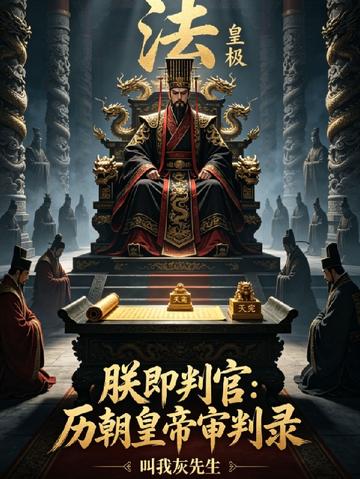
Ying Zheng, the greatest emperor of all time, died at the Sand Dune Palace.
His life’s work, his triumphs and failings across the ages, should have turned to dust.
But he did not enter the cycle of reincarnation. Instead, a mysterious force dragged him into the Hall of Imperial Judgment, where he was bound to the Supreme Judgment System.
The System informed him that from the Qin dynasty onward, every emperor throughout history would gather here after death, in order, to be judged by him.
He would weigh their deeds and misdeeds, assess their successes and failures in governing, witness the rise and fall of their realms, and lay their age-old regrets to rest.
If an emperor had regrets, he could return to the past and set things right with his own hands. If he had committed wrongs, he would face posterity and accept responsibility without flinching.
Beginning with the First Emperor of Great Qin, he would meet the Han Emperor Gaozu, Emperor Wu of Han, Emperor Taizong of Tang, Emperor Taizu of Song, Emperor Taizu of Ming, and more...
He would witness the rise and fall of dynasties, see through the minds of emperors, and settle a thousand years of unresolved grievances.
In this life, he would be more than the First Emperor who united all under Heaven.
He would be the one and only judge, master of reincarnation and arbiter of emperors across the ages.

Overall, it's not bad.