Introduction to The Living Bodhisattva
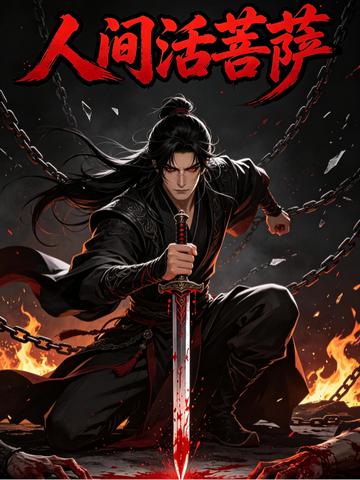
"This Daoist has a good heart. Truly, a good heart."
When Ye Qingyun said this, the blood on his blade had yet to dry.
How should I put it? Ye Qingyun...
Say he's a good man? He's the first to run when danger strikes. Whether his brothers live or die depends on his mood. Anyone who gets in his way, he sends to meet Buddha without batting an eye. Every merit on his stele is stained with blood.
Say he's a bad man? Nobody in the world sees it that way.
The people he's saved could line up and circle the Qingyun Sect three times. The unaffiliated cultivators he's helped kneel and call him a living bodhisattva. Every household in the mortal villages and towns he's protected keeps a memorial tablet to him, praying for his longevity.
Call him a good man, and he kills without mercy.
Call him a bad man, and he saves people without hesitation.
Call him a hypocrite, but the people he saved really did survive.
Call him compassionate, but the people he killed really did die.
So righteous he's downright wicked.
So wicked he's downright righteous.
Ye Qingyun himself has never agonized over the question.
As long as the merit stele keeps growing, that's good enough.
How it grows, whether he earns merit by saving people or gets a boost from killing them, does it matter?
He looked down at the string of blood-soaked numbers on the merit stele, brought his palms together, and wore an expression of compassion.
"This Daoist has a good heart. I only kill evildoers."
"Who decides who's evil?"
"I do."
This is the story of a "good man" killing his way through the Nine Realms.
It's also the story of a "bad man" worshipped by the masses.
Don't ask whether he's good or bad.
The answer is, he has a good heart.
[This book