(War, blood and iron, training troops, opening up wasteland, equal land distribution, expanding the borders)
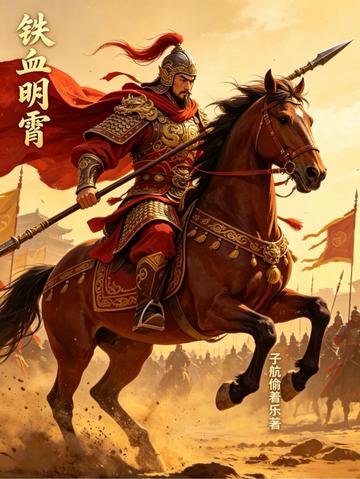
In the sixth year of Chongzhen, in this life, the playboy Peng Zihang of Beijing dies suddenly after drinking on a snowy, stormy night. I, once a king of special forces, am ambushed during a special mission. Gravely wounded and unconscious, I am reborn with an iron will. The Ming Dynasty is on the brink of collapse. Rebels are everywhere, the Manchus are eyeing the passes, and corrupt officials are gnawing away at the nation. I, once a king of special forces in my previous life, rise with a blade in hand: “I will put an end to this troubled age!”
Armed with the memories of my previous life, I train elite forces and forge guns and cannons. Spears break the barbarians, and iron cavalry shakes the Manchus. He will not merely crush the northern invaders and pacify the rebel hordes, or clear wasteland and cultivate fields. He will restore the Ming Dynasty to an age of prosperity! He will campaign west into the Western Regions and the Mongol tribes, reopen the Silk Road, and unite the vassal states of the snowy plateau and the Western Regions. He will abolish Goryeo in the north and establish a vassal administration, sweep across Japan in the east, and build a bulwark in the East China Sea.
Inspired by the glory of the Yongle treasure ships, he will build mighty vessels armed with powerful cannons, form an invincible navy, and explore unknown lands. He will challenge the Western barbarians and seize the Ming Dynasty's maritime interests.
Whoever stands in his way, whether barbarian or Westerner, will be cut down. With an iron fist, he will forge a realm stretching ten thousand miles and make every land pay tribute. With overwhelming military might, he will lay the foundations of an empire for generations to come and spread China's prestige throughout the world.
At last, he will usher in an age of prosperity where “all lands touched by the sun and moon are Ming territory, and all rivers and mountains reached are subjects of the Han.”