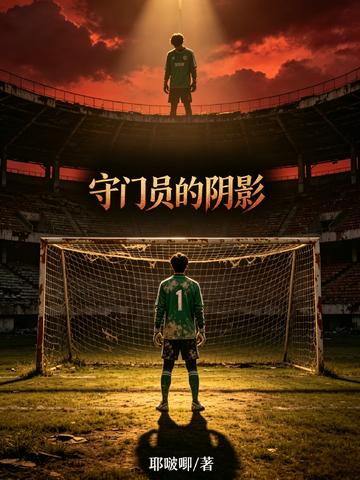
World Cup Final. Penalty shootout. The final kick.
Lin Shen saved the shot. The instant his fingertips touched the ball, he felt something: not victory, but a tearing sensation. The next second, he was standing in an abandoned stadium under a dark red sky, wearing the opposing striker’s jersey. Across the stands stood someone wearing his own jersey. That player had slipped and hit the post while making a save, dying on the spot. His face was identical to Lin Shen’s. It wasn’t a ghost. It was the “other possibility” abandoned by Lin Shen’s success.
Every genius is born by stepping over countless corpses of themselves. The versions who retired injured, failed tryouts, or never set foot on the field: they were never forgotten, only imprisoned in this “Gallery of Trajectories,” waiting to be seen. Lin Shen had to face the version of himself whose existence had been denied by his success. This wasn’t a fight, but reconciliation. Not escape, but acceptance. When he finally said, “I’m sorry” and “Thank you,” the dark red sky began to fade. For the first time, the figure’s expression softened. “I’ll always be the shadow beneath your fingertips. But it’s all right now. Being seen is enough.”
Lin Shen opened his eyes in front of the goal. His teammates rushed over, and the stadium erupted. He knelt on the goal line, tears streaming down his face. No one knew why he was crying. From then on, he would briefly close his eyes before every save, checking that the shadow was still there. It was his trajectory. His price. The other half of himself.