In 1943, 20-year-old Shen Biyun from Chongqing met Gu Huaijin for the first time. He was standing at the door of the operating room. The 30-year-old surgeon's white coat was stained with blood. His brows were furrowed. His family had lost all news in the occupied area and he came to this field hospital alone.
Biyun's hand trembled slightly when he handed over the instrument. He took the hemostatic forceps. Your hands were very steady. As the days passed, she would quietly put up a blanket after the operation. He would put a cake on her face when she was on night shift. Standing together ten years apart, no one thought it was inappropriate. He looked young, but Biyun knew that his heart had been worn out by the war.
One rainy night, she asked: "When the war is over, where do you want to go?" After a long silence, he said: "Hangzhou."
In the autumn of 1944, Gu Huaijin was transferred to Kunming. Before leaving, Biyun gave him a gray scarf. He said, "Wait for me." After that, every letter ended with "Wait for me," and she wrote back, "I'll wait for you."
In the spring of 1945, the convoy was attacked in Guizhou. Gu Huaijin was already out of danger, but ran back to save a wounded soldier. The car exploded.
Biyun didn't cry. He walked to the end of the corridor where he often smoked and stood there for a long time.
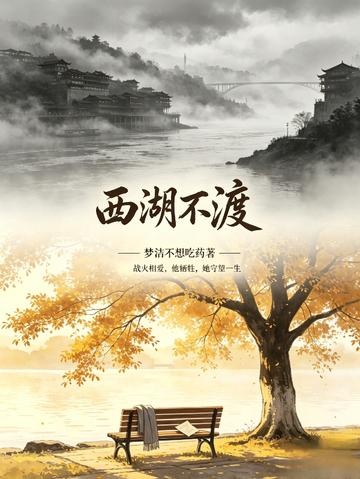
After the war, she went to Hangzhou and lived by the West Lake all her life. She never married, and she had those letters under her pillow.
In 2006, Biyun passed away at the age of eighty-three. Among the relics were a worn-through gray scarf and a stack of bundled letters. The same sentence is written at the end of each letter——
Wait for me. I'm waiting for you.
She waited for him for sixty-one years. He will always stay in that spring, always thirty years old. It's not the appearance that makes you grow old, it's the fate that makes you grow old. He came too early and she waited too long.