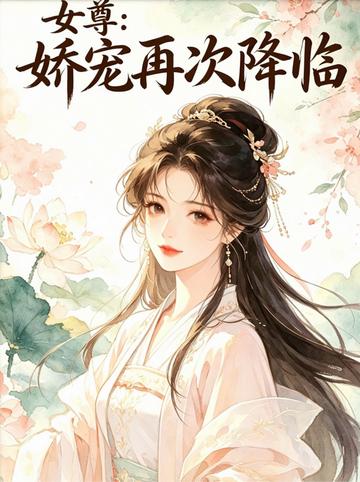
The background of the era when women were superior to men - women entered official business, inherited titles, and presided over the clan; men took care of the house, took care of their wives and raised children, and married the good man they wanted in life.
· The eldest daughter of the Hua family, the most beautiful woman in the capital
· Inherit the family business and become the future successor of the patriarch
VS
· She is extremely beautiful, with a somewhat sickly color between her eyebrows and eyes.
Arrogant, sensitive, and paranoid, he is both dissatisfied and envious of the female-dominated system, and his feelings for his sister range from admiration to jealousy to madness.
A lovely husband, side by side with the heroine [female is not male C]
Reader comments
These 5 stars are for the author who wrote the heroine. The men are all clean and love the heroine. They are all downgraded. The heroine is excellent in all aspects.
However, many of the wordings are wrong. The title of one chapter is "Heroes save beauties", which should be "Heroes save beauties", and there is also a paragraph that says that the heroine "takes care of her husband and raises her children" and marries someone else. Isn't this wrong? "Being a husband and raising children" is a traditional idiom whose core meaning is to assist the husband and educate the children. It was an important standard for measuring good wives in ancient times. Is this really appropriate in a world of female supremacy?
There are also "gentlemen", the emperor's son is called "His Royal Highness Jin", and the ancient princesses are not called kings. Why should the emperor's son with a female title be called a king? These settings are quite strange. It seems that the ancient world of male heroes has forcibly taken the skin of a female goddess. Many settings should be changed by the author, or the words used by male heroes should not be used anymore. It will be very strange in the text.
These 5 stars are for the author who wrote the heroine. The men are all clean and love the heroine. They are all downgraded. The heroine is excellent in all aspects. However, many of the wordings are wrong. The title of one chapter is "Heroes save beauties", which should be "Heroes save beauties", and there is also a paragraph that says that the heroine "takes care of her husband and raises her children" and marries someone else. Isn't this wrong? "Being a husband and raising children" is a traditional idiom whose core meaning is to assist the husband and educate the children. It was an important standard for measuring good wives in ancient times. Is this really appropriate in a world of female supremacy? There are also "gentlemen", the emperor's son is called "His Royal Highness Jin", and the ancient princesses are not called kings. Why should the emperor's son with a female title be called a king? These settings are quite strange. It seems that the ancient world of male heroes has forcibly taken the skin of a female goddess. Many settings should be changed by the author, or the words used by male heroes should not be used anymore. It will be very strange in the text.